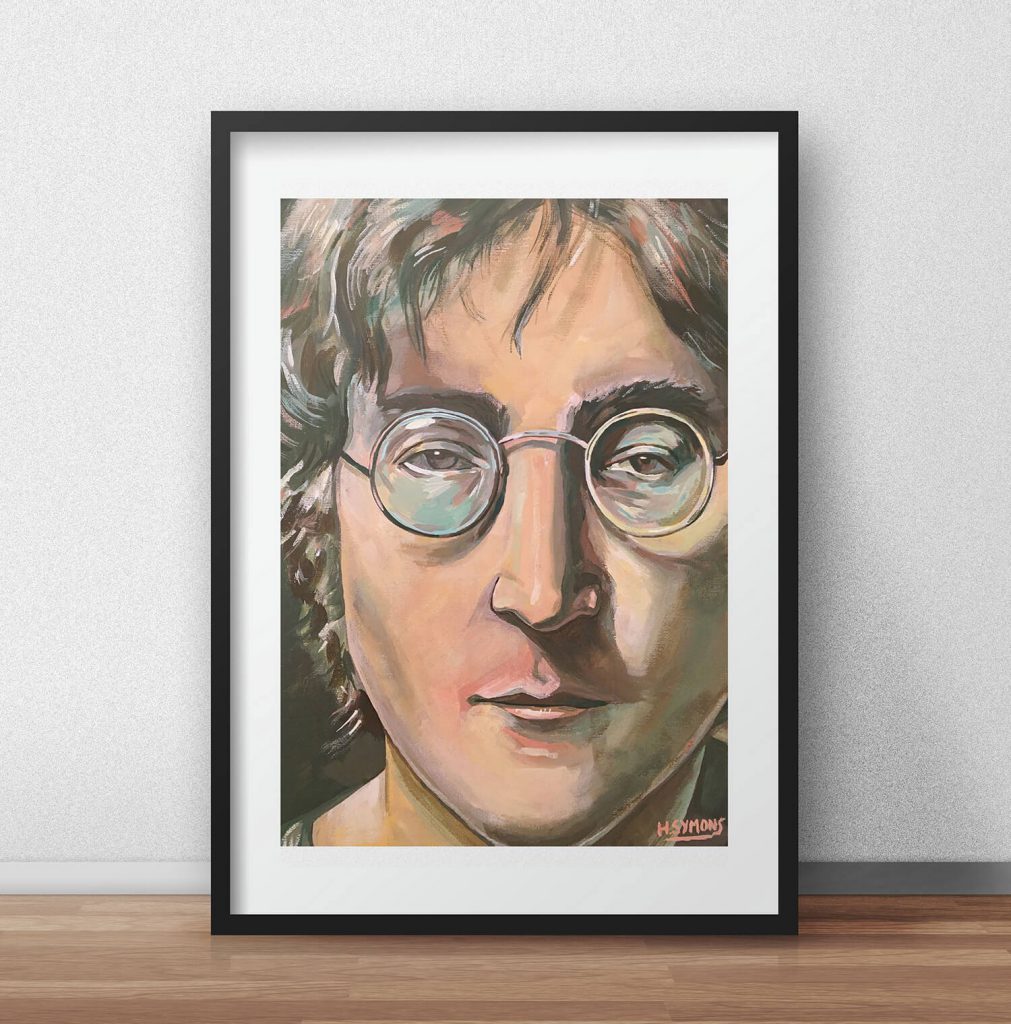
What if I told you these five easy portrait drawing tips could instantly make your faces look more realistic and confident by the end of this article?
If you ever draw a portrait that felt off but couldn’t explain why, it’s usually because you’re missing a few simple fundamentals most artists skip.
In the next few minutes, I’ll show you exactly what to focus on so you can stop guessing and start seeing real improvement.
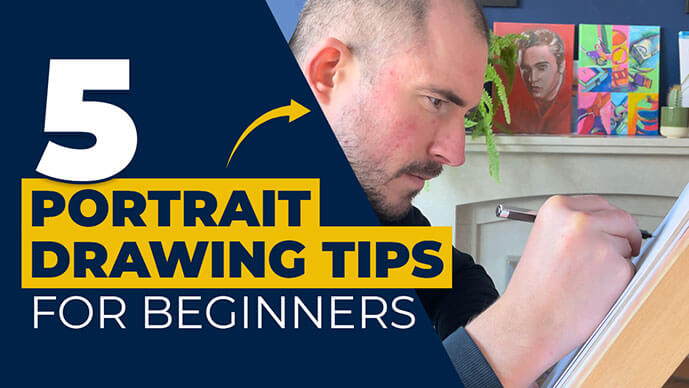
I’m going to share 5 portrait drawing tips to help you boost your artistic game and take it to the next level!
Miss these tips and you’ll keep repeating the same mistakes without knowing what’s holding your portraits back.
Analyse Every Portrait Drawing
Instead of just drawing and moving on, take the time to analyse and give yourself feedback on every portrait, artwork, or drawing you make.
This habit improves your drawing proportions and accuracy. This technique is super simple – scan your drawing, trace a line in Adobe Photoshop over on a new layer, and overlay on the reference photograph.
You can also do this with tracing paper. Remember to note down your observations in your sketchbook, enhancing your drawing, and learning from each experience.
Like any skill, it’s about practicing, getting feedback, and then analyzing.
Use imaginary lines
When drawing, employ imaginary lines horizontally and vertically to understand how elements relate to one another.
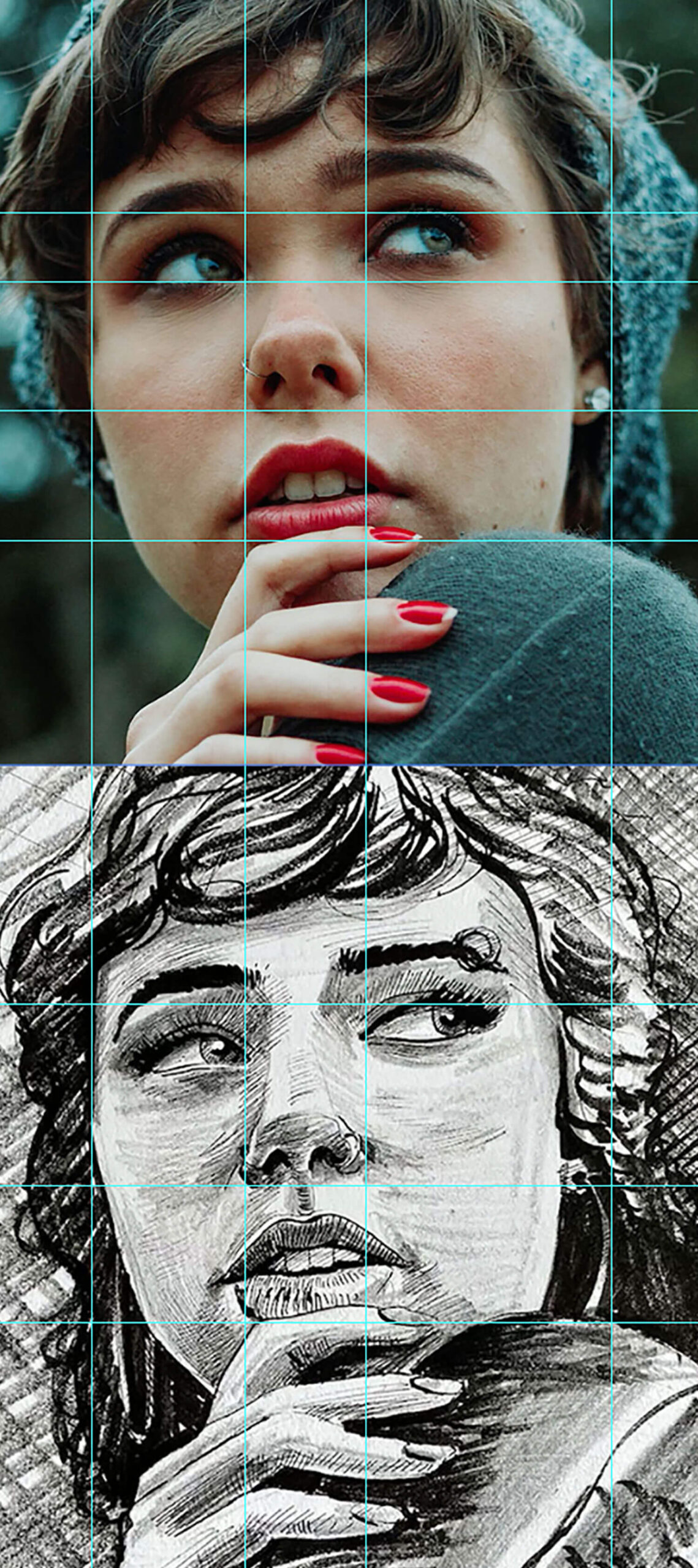
This is crucial within anything you’re drawing, whether it’s figures, still lives, to drawing faces.
Always measure between the objects within your scene and use your drawing medium to help you do that.

Ask questions throughout a drawing, like how the ear aligns with the nose or the eyes angle on the face.
Use imagine lines in your head or use a straight object like a pen or pencil to analyze. If you’re using a physical object like a pen, remember to keep your arm steady, locked in place, and straight.
Study artistic masters.
Create master studies in your sketchbook or any paper that comes to hand.
Much like gaining insights from a great self-help book, master studies provide a fresh perspective and elevate your art, choose artists like Leonardo da Vinci, Rembrandt van Rijn, Artemisia Gentileschi, Vincent van Gogh to John Constable.
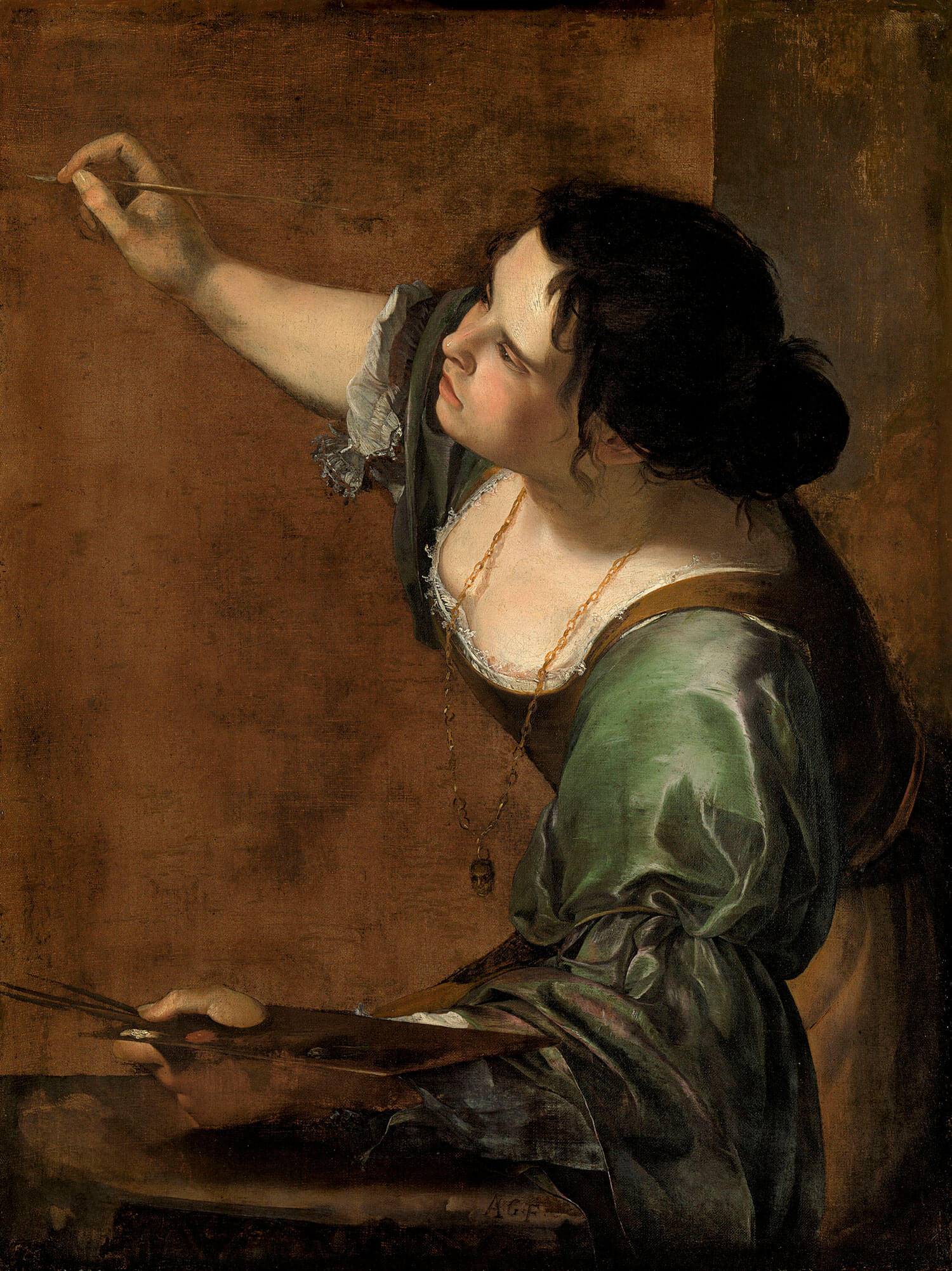

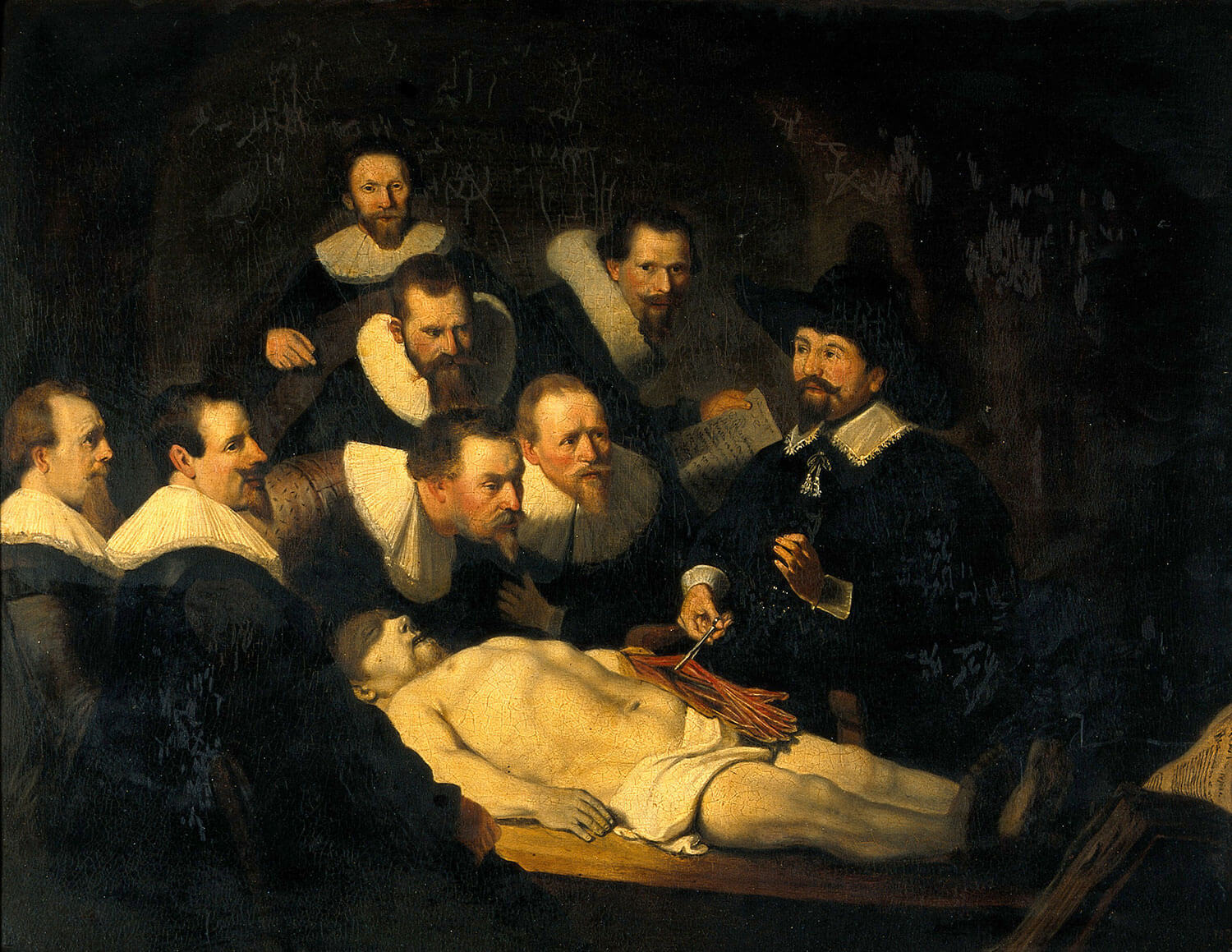
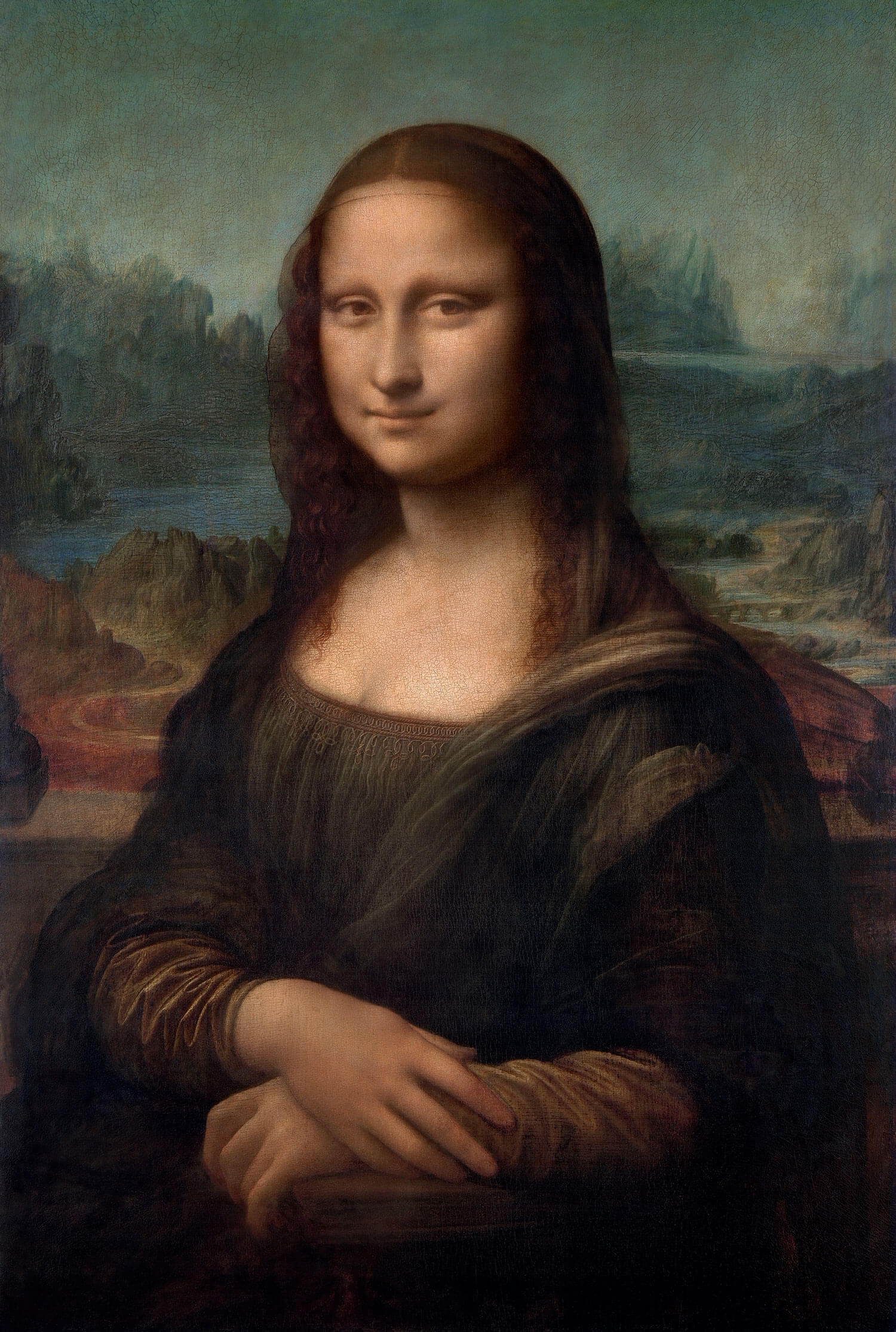
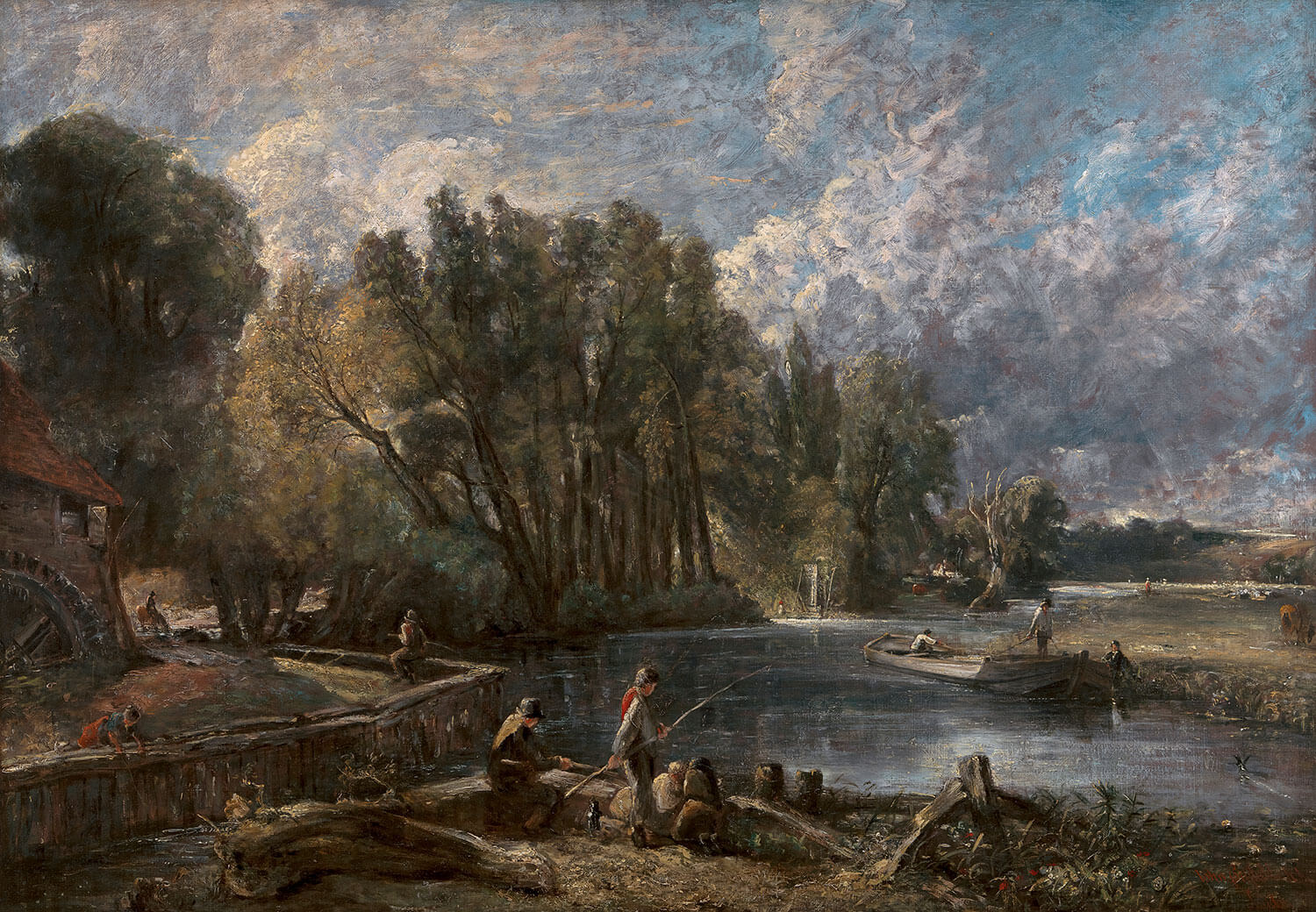
Study aspects such as colour, learning how they crafted excellent compositions, or drawing skill, or in this case, portrait drawing.
Remember, don’t just copy. Study the artwork. Focus on a theme and replicate the style onto another drawing that you create.
This exercise helps you absorb the essence without becoming a mere copycat.
Be Growth-minded
Let’s talk about a real game changer here. Acting a little stupid. So, I don’t mean losing your smarts. It’s about shredding that ego that might be holding your drawing skills back.
Adopt a growth mindset. Recognising that your artistic abilities are not fixed. Why act stupid? So, it’s not about intellect, it’s about fearlessness.
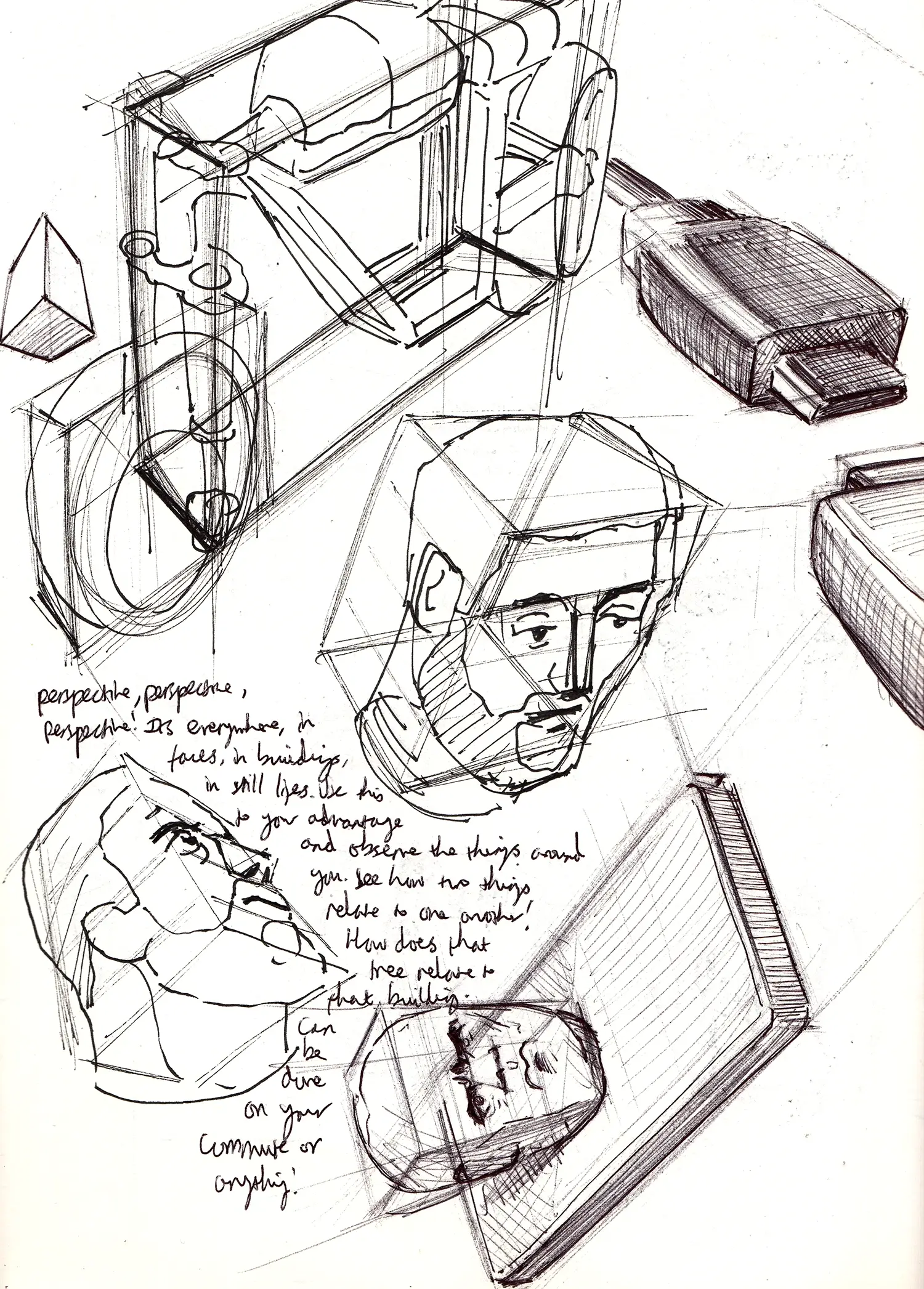
Step outside your comfort zone, try new techniques, and make mistakes. Every great artist embraced a bit of foolishness on their path to mastery.
Embrace the unknown, experiment with different styles, and remember, invest in time and effort in learning is an investment in your evolution of your art.
Think In Basic Forms and 3D
Break every portrait drawing into basic forms structure. Add a three dimension. Think spheres, cylinders, and cubes for basic forms.
Visualise these shapes. Head as a sphere, nose as a cylinder, mouth as a a series of different simple shapes. This establishes the overall structure before diving into details.
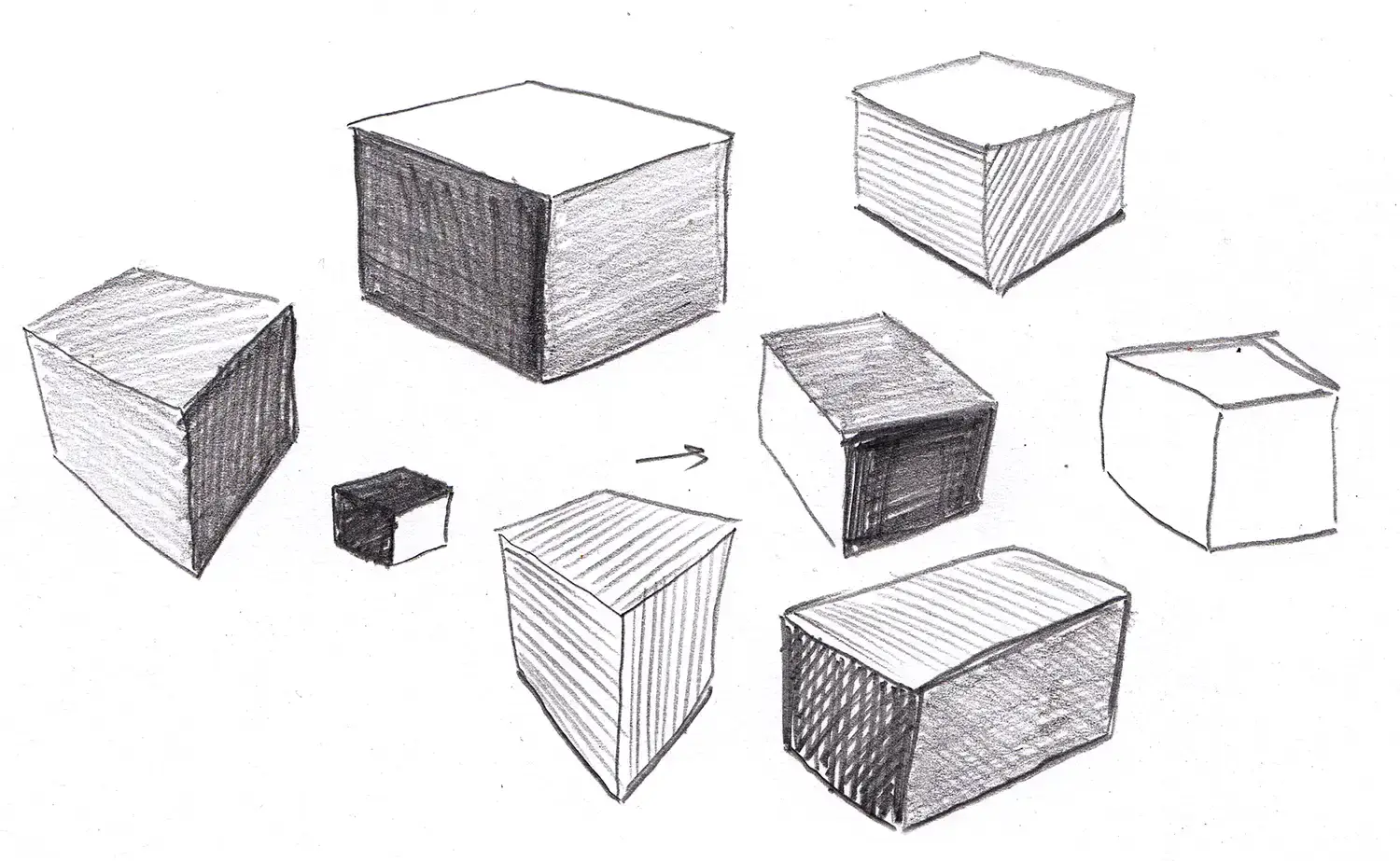
Pay attention to proportions, breaking down the face into sections for balance. So, don’t just draw lines. Think about the face in three dimensions.
Shadows and highlights play a crucial role transforming your drawing from flat to lifelike.
So basic forms for foundation, structure of a balanced 3D dimension for realism. Break it down and build it back up.
Summary
I hope you’ve enjoyed these portrait drawing tips! Improving your portrait drawing isn’t about talent – it’s about how you practise. By analysing your work, measuring relationships, studying the masters, and thinking in three dimensions, you can build stronger foundations and see real progress over time.
These core principles will help you draw more accurately, confidently, and consistently, no matter your current skill level.
- Analyse every portrait you draw: by comparing it to the reference. Trace over your finished drawing digitally or with tracing paper, note mistakes, and learn from each piece instead of moving on blindly.
- Use imaginary horizontal and vertical lines: to measure relationships. Compare heights and widths between objects using your drawing medium as a ruler to improve accuracy and proportions.
- Study master artists intentionally, not by copying. Focus on specific elements like composition, colour, or portrait structure, and apply what you learn to your own drawings.
- Adopt a growth mindset: Let go of ego and fear. Experiment, make mistakes, and step outside your comfort zone — progress comes from curiosity and consistency.
- Think in basic forms and 3D: Break portraits into spheres, cylinders, and cubes to build solid structure before details, using light and shadow to create depth and realism.
Many thanks for listening and visiting my blog today. You can follow what I’m up to on my Twitter, Facebook, or Instagram pages, I’ll really appreciate it if you do, and don’t be afraid to say hi to me! Many thanks again, and have a great day!
 22nd December 2025