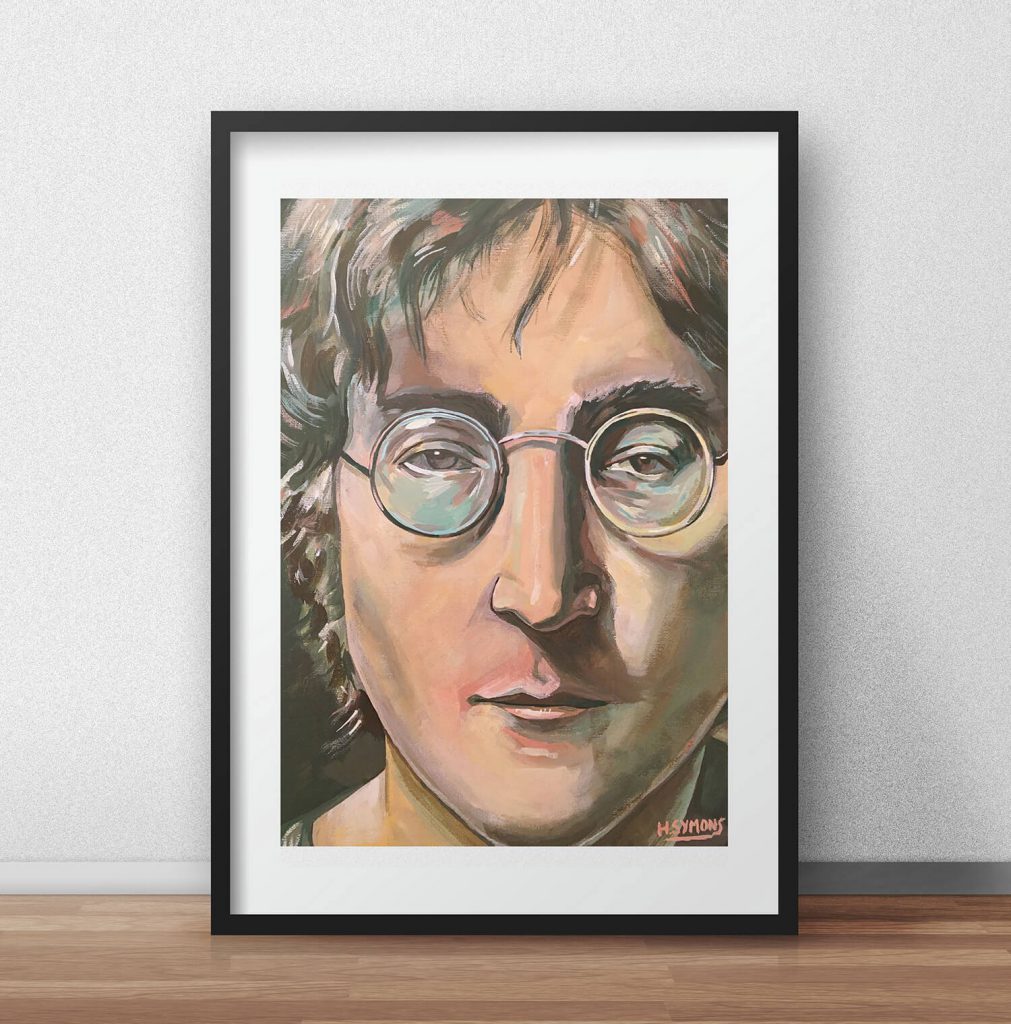
In this article, I’m sharing five easy drawing exercises for beginners that will transform your drawing skill and unlock your creative potential.
Stick around until the end as I’ve got one bonus tip that will take these drawing exercises and take them to the next level.
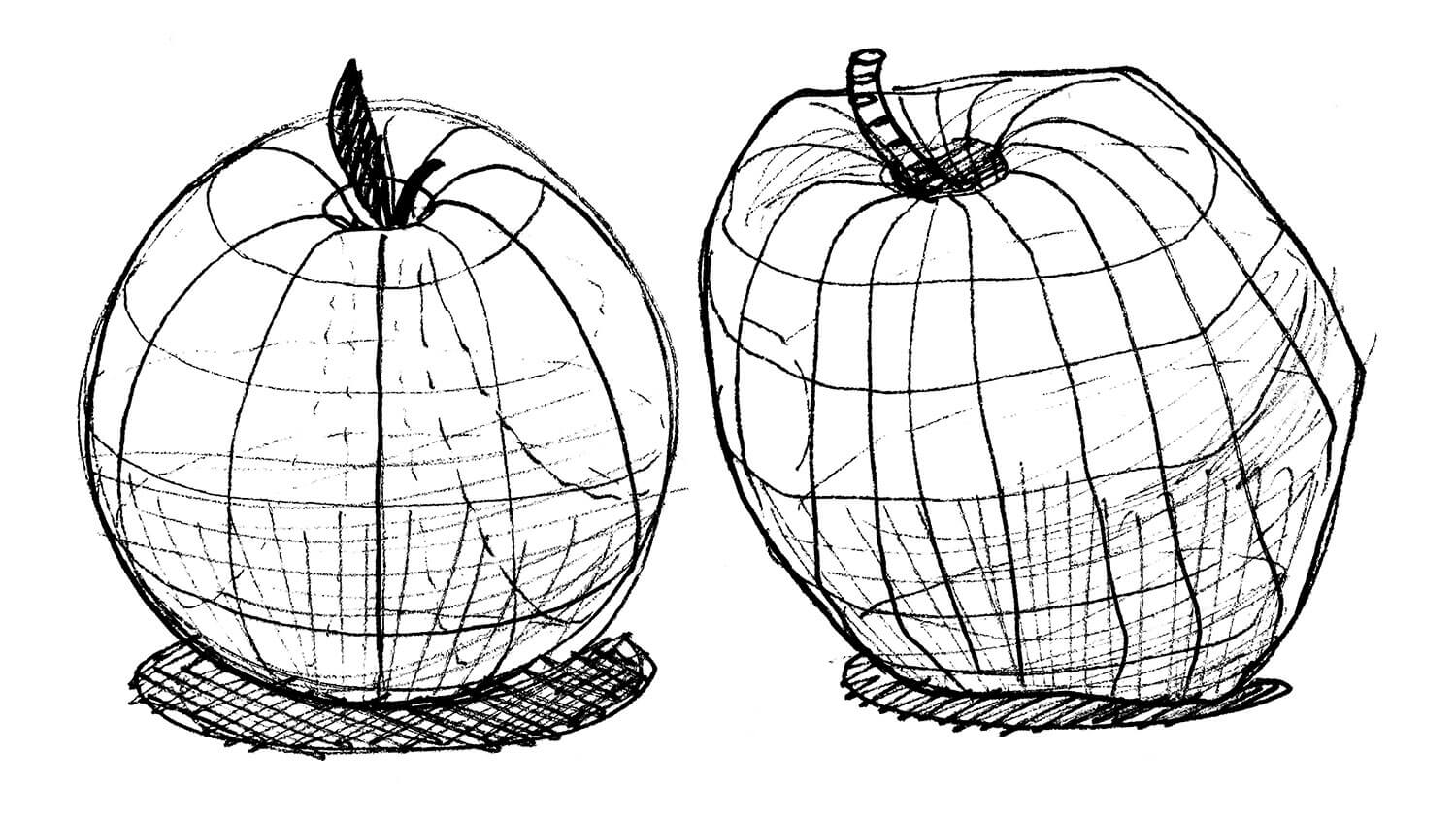
Draw the same object but from 10 different angles
When I was beginner, I struggled to make basic objects look dynamic.
It wasn’t until a mentor challenged me to sketch objects from different angles, thinking about perspective as well that I realised I was thinking way too flat.
Grab a simple object like a mug or an apple.
Spend 30 to 45 minutes rotating it, sketching each new angle as it turns.
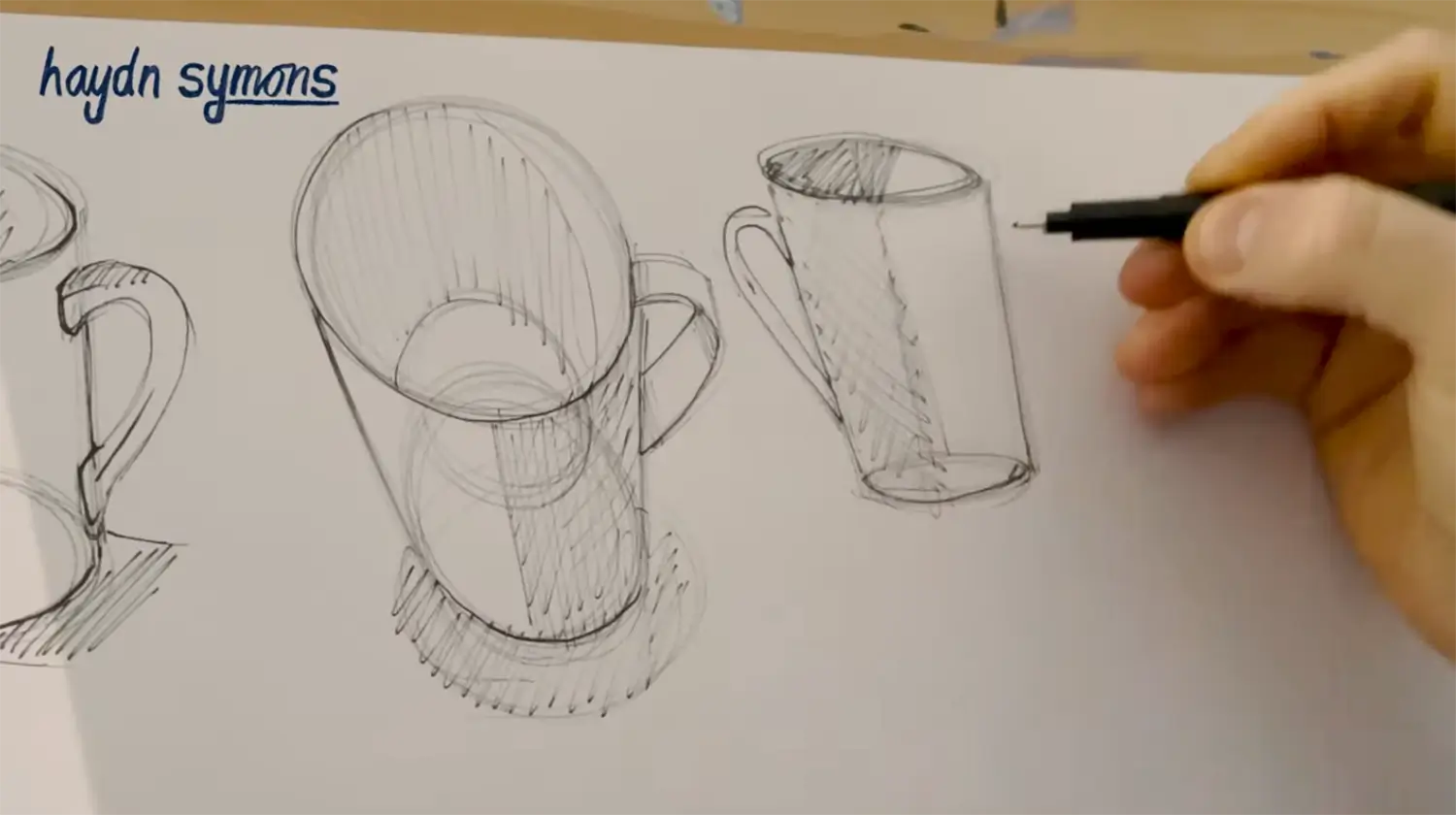
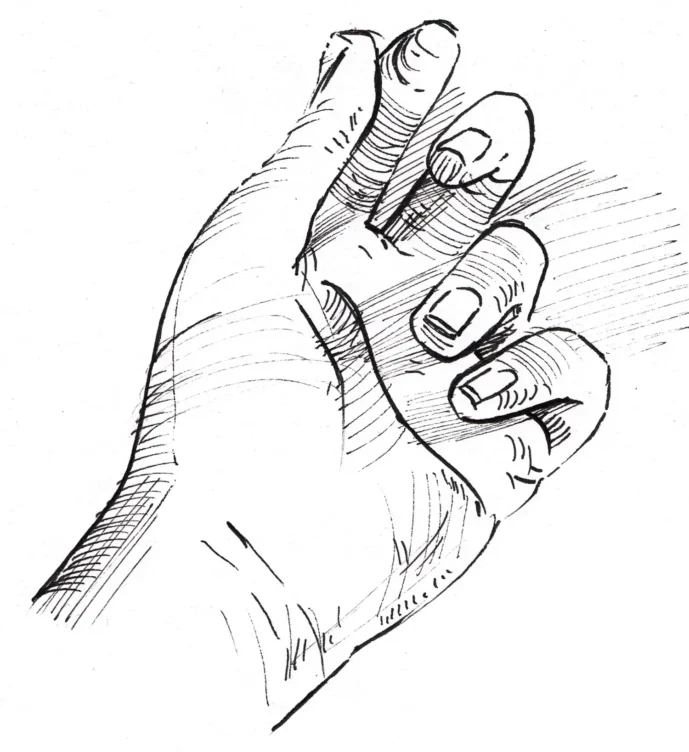
Try to sketch from above, below, and from the sides.
Make sure to consider how the ellipses shifts in perspective, how the lighting changes, and how your viewpoint affects the overall form.
This forces you to think about 3D space, not just a flat surface in front of you.
By seeing an object from multiple perspectives, you start understanding form and depth, which is essential for making your drawings feel real.
Trust me, once you start doing this, you’ll notice how much more realistic your objects look.
Draw using only straight lines
I’ll be honest, I did wonder how this easy drawing exercises for beginners would help me.
Drawing a plant with any straight lines feels utterly pointless, but after a few attempts, I realised just how valuable this exercise was for simplifying my approach at the start of any drawing.
Using straight lines forced me to focus on the big shapes first rather than getting bogged down in the details.

I had been adding curves and details before understanding the basic structure of what I was drawing.
This shift helped me establish a solid foundation for all of my future sketches. Spend 10 to 15 minutes and pick an object with some complexity like a plant, a face or piece of fruit.
Now sketch it using only straight lines. No curves allowed.
This teaches you to break things down into basic shapes, giving you control over the structure.
Drawing with straight lines forces you to simplify forms, which improves your precision and helps you lay a solid foundation for more detailed work later.
Don’t get discouraged.
Just focus on the simplicity and watch your understanding of the shapes grow. Which exercise will you try first? Let me know in the comments.
If you’re new to my YouTube Channel The Portrait Guru, don’t forget to like, subscribe, hit that bell button so you don’t miss any future videos.
Create a simple composition using only two to three tones.
I thought limiting myself to only black and white tones would make my drawings look flat and lifeless. When I was a beginner, I was eager to use every tone in the book to make things more dynamic, thinking the more shades I added, the better.
But when I first tried simplified composition to just two or three tones, light, a mid-tone, and a dark, I was shocked.
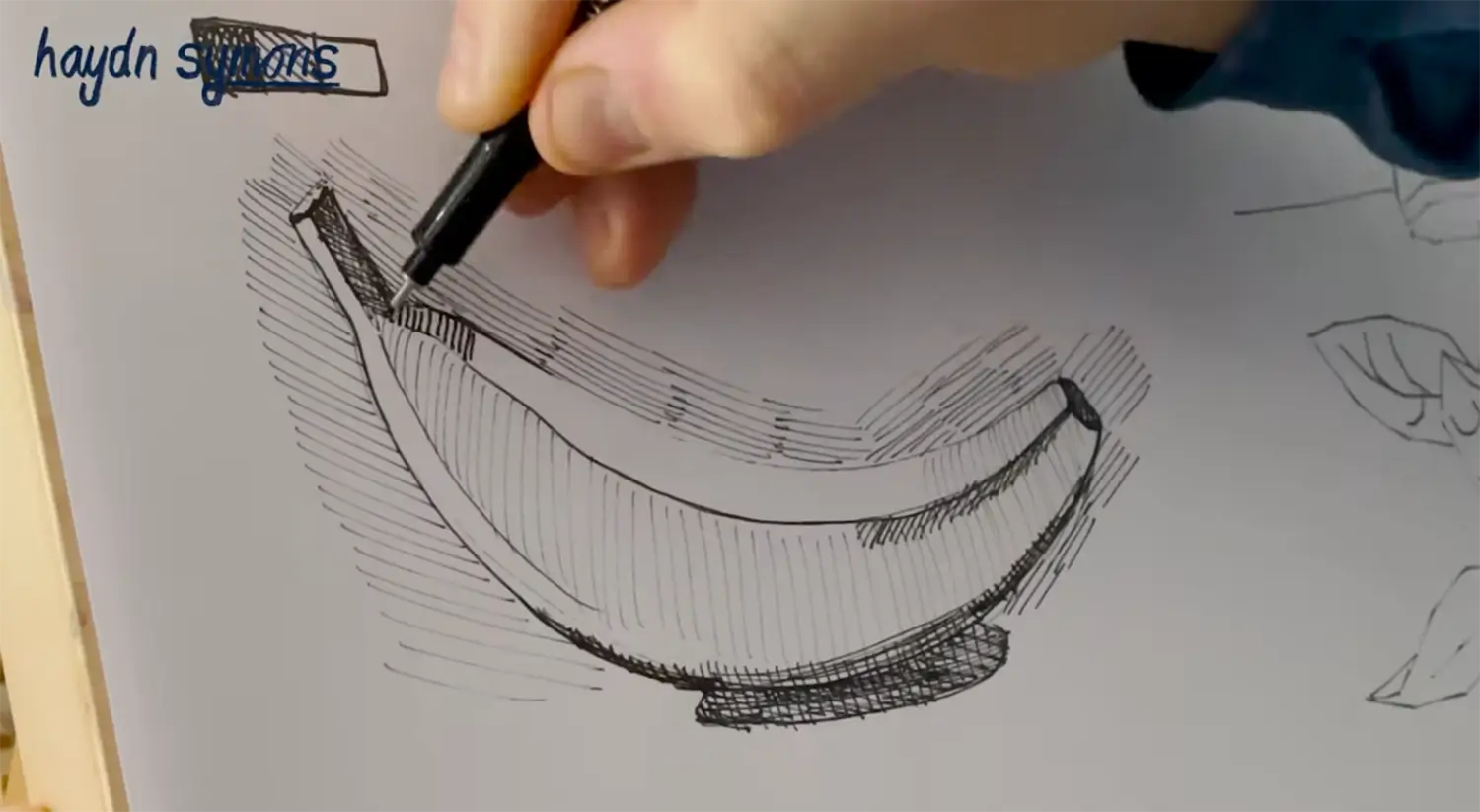
Stripping away the extra tones forced me to focus on the contrast and depth in a way I hadn’t really considered before.
Now, I regularly use this technique because it strengthens my drawings and also compositions.
Choose an object or a scene. Use only two or three tones, a light, a mid-tone, and a dark. Forget about texture for now. Focus solely on establishing contrast.
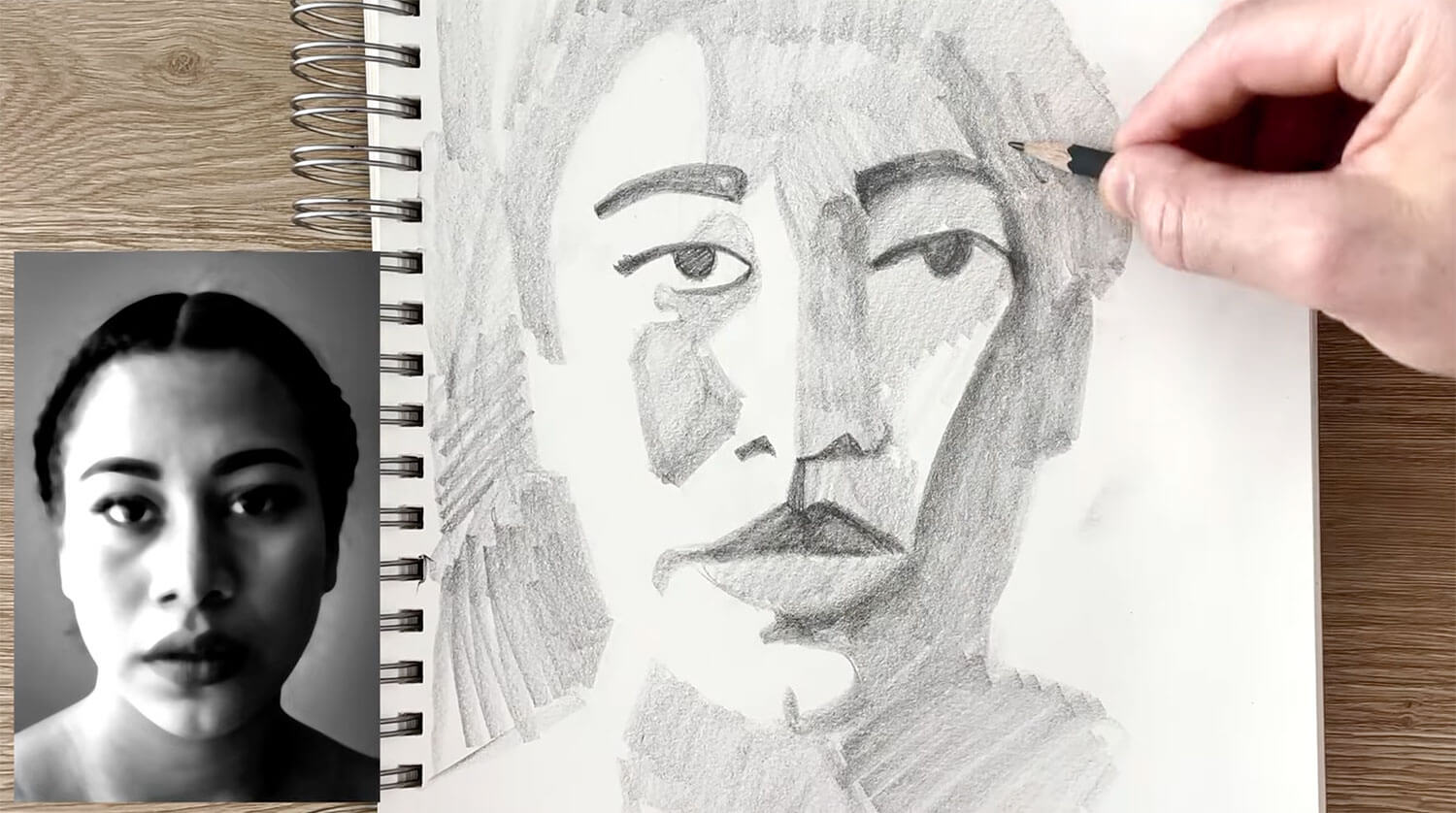
Draw two or three boxes in a row to use as an aid for this study. Try this exercise for 25 to 30 minutes.
The challenge of limiting yourself forces you to understand light and shadow in a deeper way. You’ll start noticing subtle differences in values that you might have ignored otherwise.
When you simplify your pallet and tonal range, the overall composition becomes clearer, making your artwork feel more balanced and dynamic.
This exercise is a great way to focus on structure, not just details.
Draw a self-portrait with a mirror
You should have seen my initial portrait drawings. Yep, bad.
Eyes way too high, no skull, no nothing.
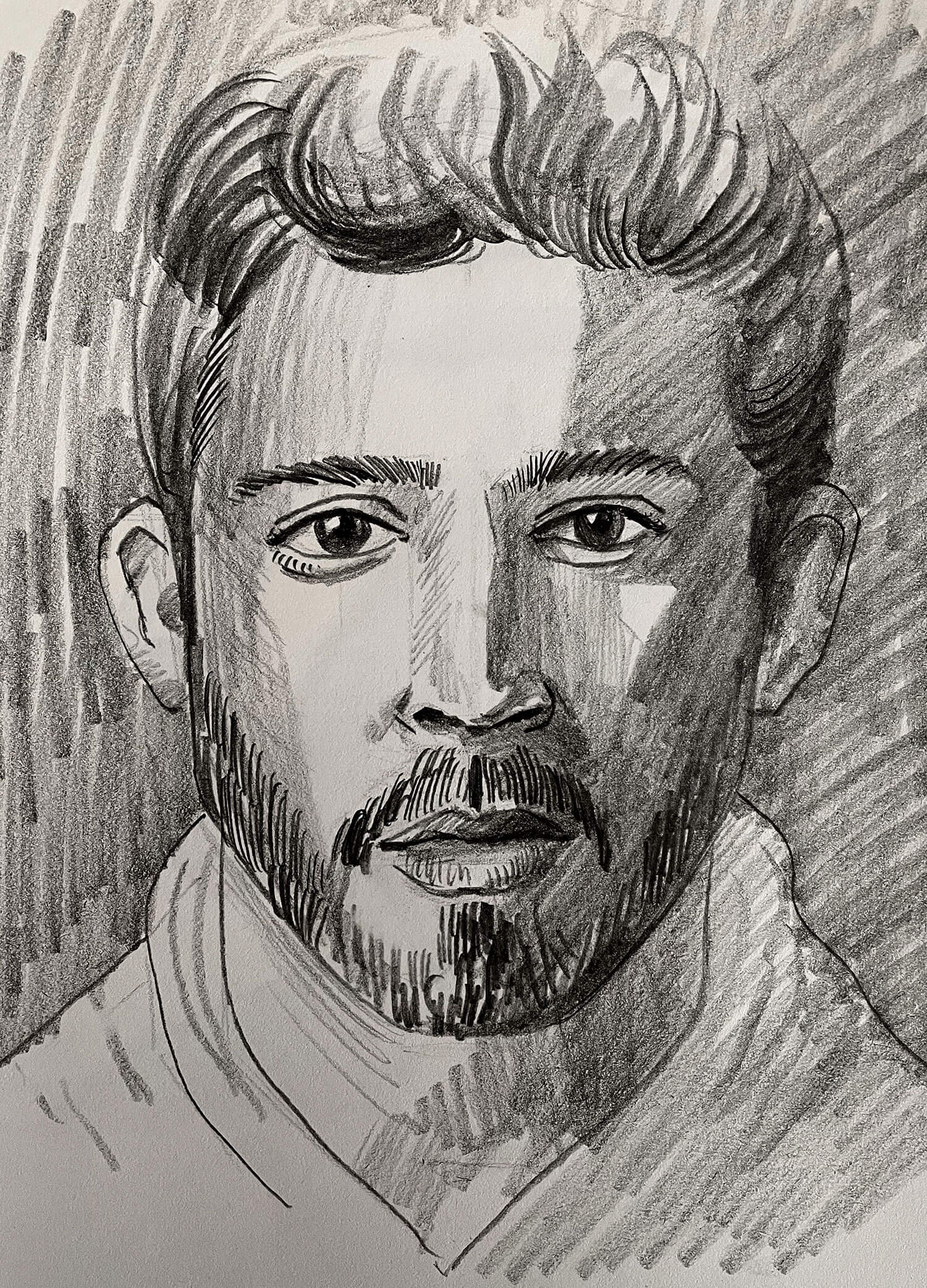
Set up a mirror or use your phone’s camera and dedicate 30 to 45 minutes to sketching your face. Start by focusing on the overall proportions.

Lightly outline the basic structure before diving into the major features. Once you’ve established the foundation, gradually refine the shapes and details.
Hold your drawings up to the mirror.
Check any noticeable mistakes. Apply the lessons from these previous exercises. Focus on the big shapes with straight lines. Limit your tones and also enjoy the process, too.
Anything gets better with deliberate practice and effort.
So if you start feeling discouraged by the quality of your drawings during these exercise, but remind yourself that growth happens outside of your comfort zone. It’s all part of the process.

So keep pushing yourself forward. You’re also making progress. Self-portrait forces you to slow down and carefully observe the human face.
You’ll gain a better understanding of how features are arranged, proportions, and drawing from observation. A key drawing exercise.
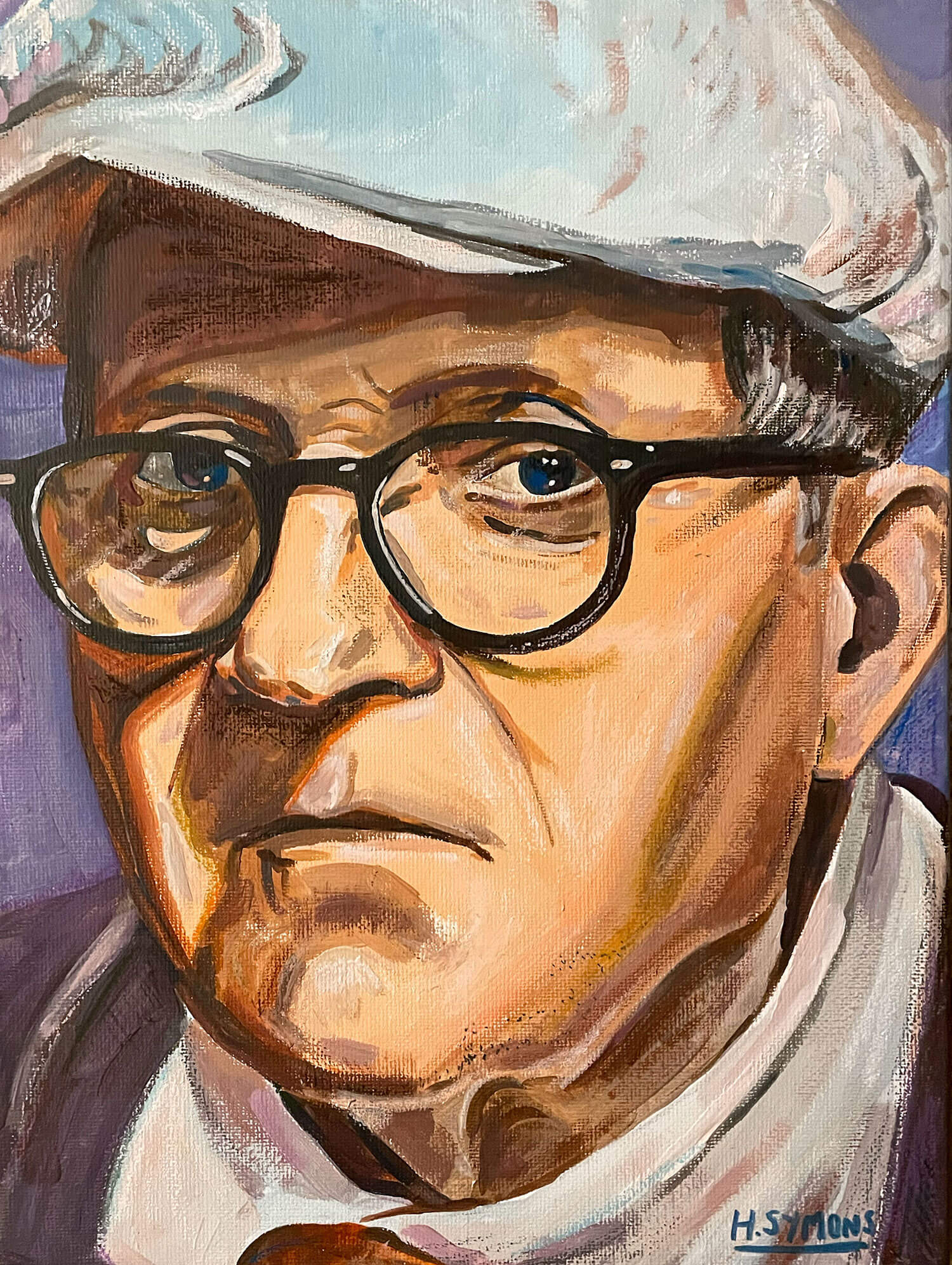
Redraw a simple object in three different artistic styles.
When I was first studying illustration at university, I was frustrated because I hadn’t developed my own style yet.
My classmates already have their unique identifiable approaches and I felt left behind.
But what I realised is that style doesn’t come from copying other artists. It comes from blending different influencers into something completely yours like my portrait illustrations.
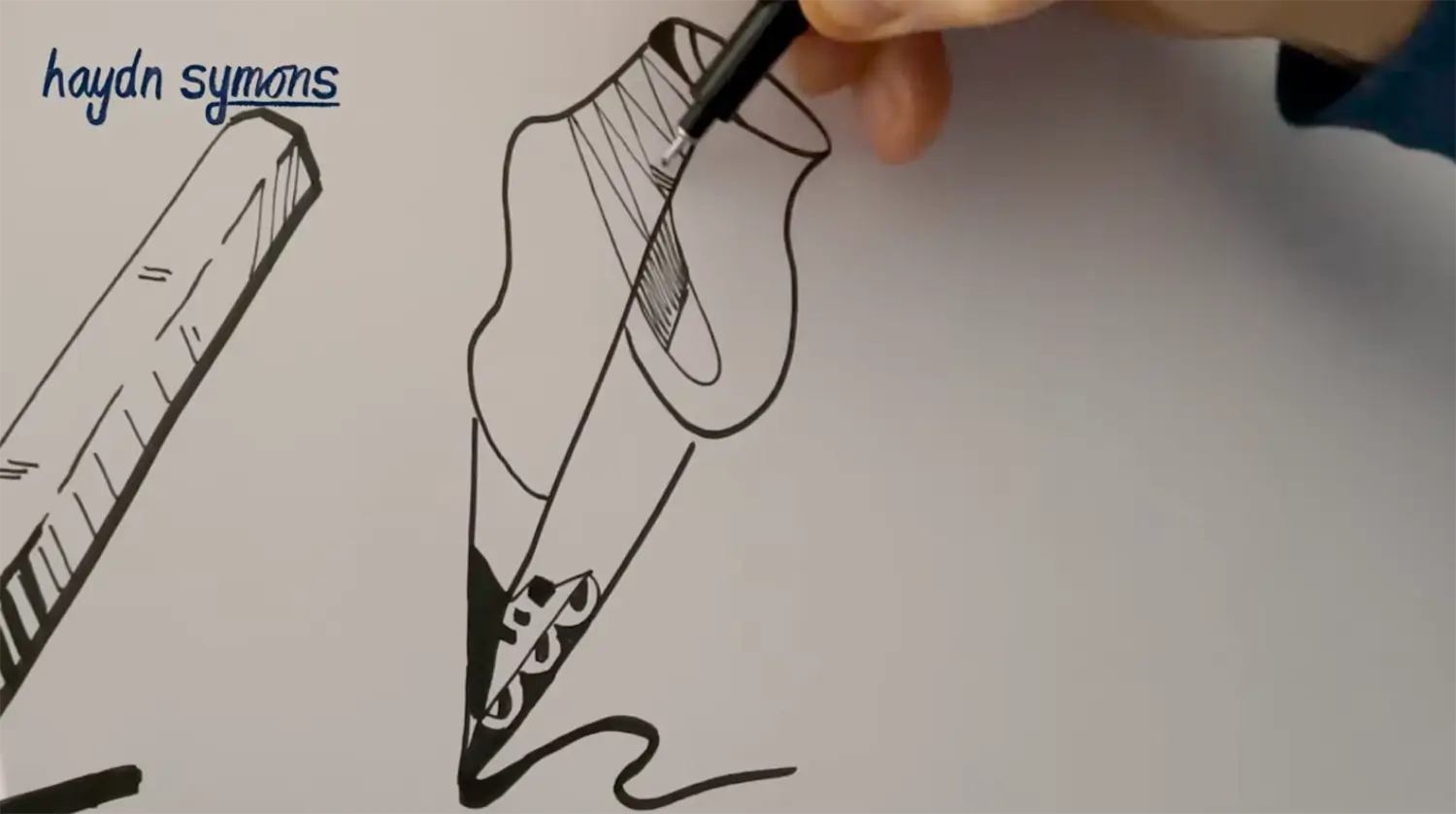
I did see some students mimic popular artist at the time only to be told their work to look like someone else. So don’t do this.
So I challenged myself to draw a simple object, a pencil using different influences like Van Gogh, David Hockney, James Gene, John Singer Sergeant Rembrandt.
It opened my eyes to the endless possibilities in art. Your style grows when experimenting with different approaches of finding what resonates with you, not my imitating others.
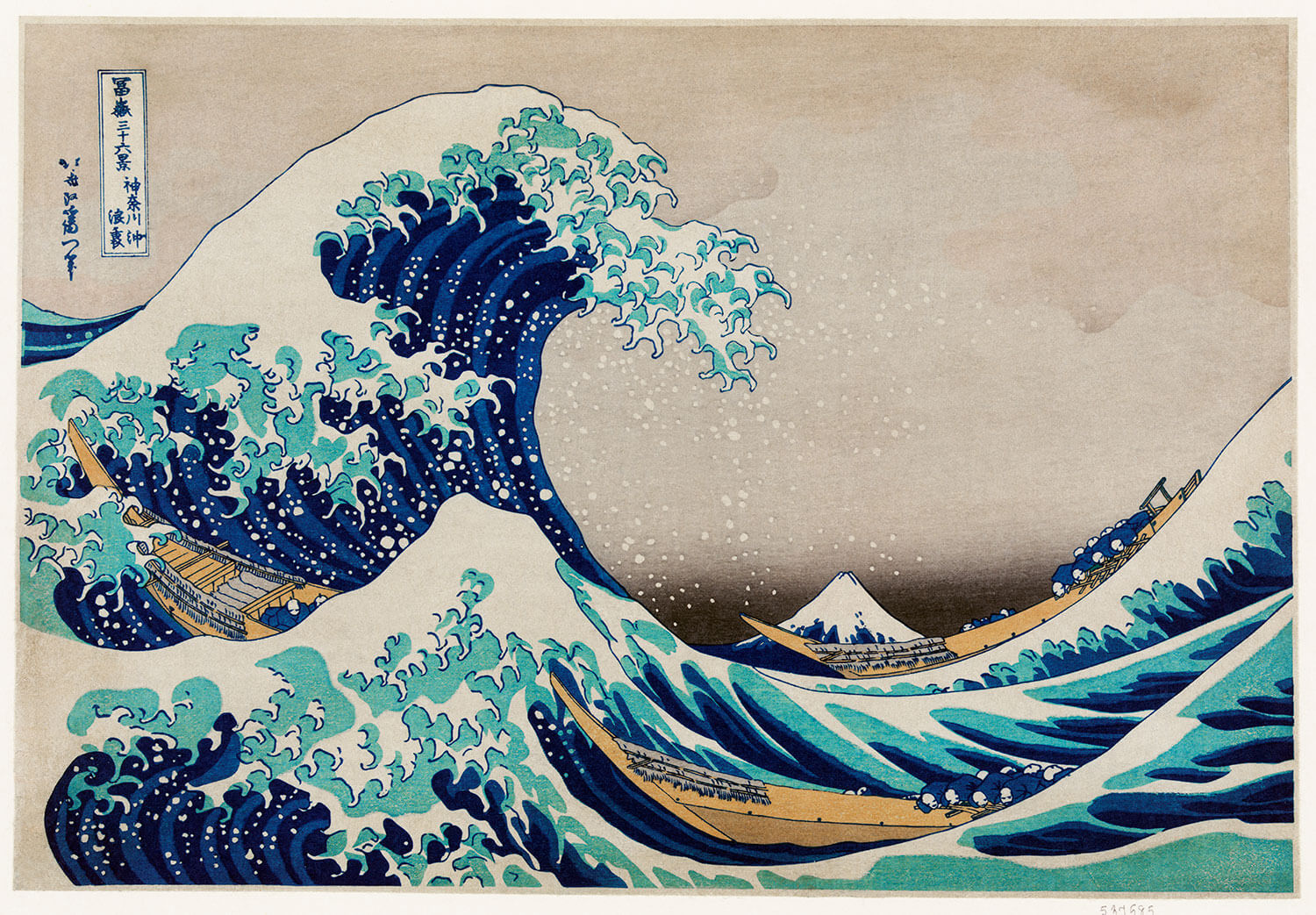
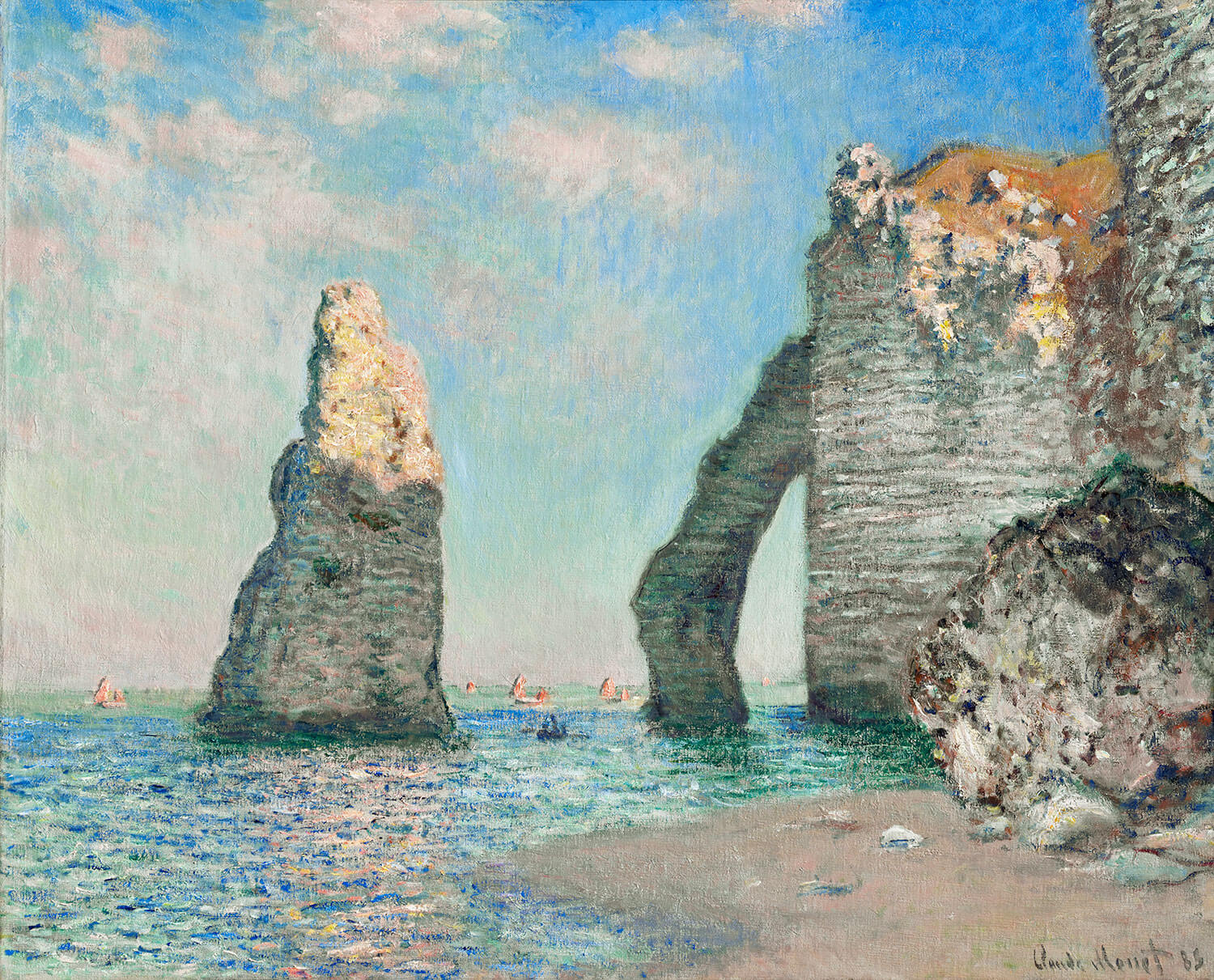
So pick an object, redraw it in five different styles.
Try minimalist, abstract, realistic. Try it out for 25 to 30 minutes. It helps you explore new techniques and discover what feels authentic to you.
The more you experiment, the closer you’ll get to developing your own style. The secret exercise to unlock your skill.
Start a daily sketchbook.
I love drawing in my sketchbook. One of my most memorable experiences was when I was sketching a temple in Vietnam.
Whilst I was sketching, I noticed a few locals gathering around me.
At first, it was just a couple, but before I knew it, there were 20 or 30 people sitting around me, all watching me intently.
It was surreal, but also a great reminder of how sketching in public can connect you with others.
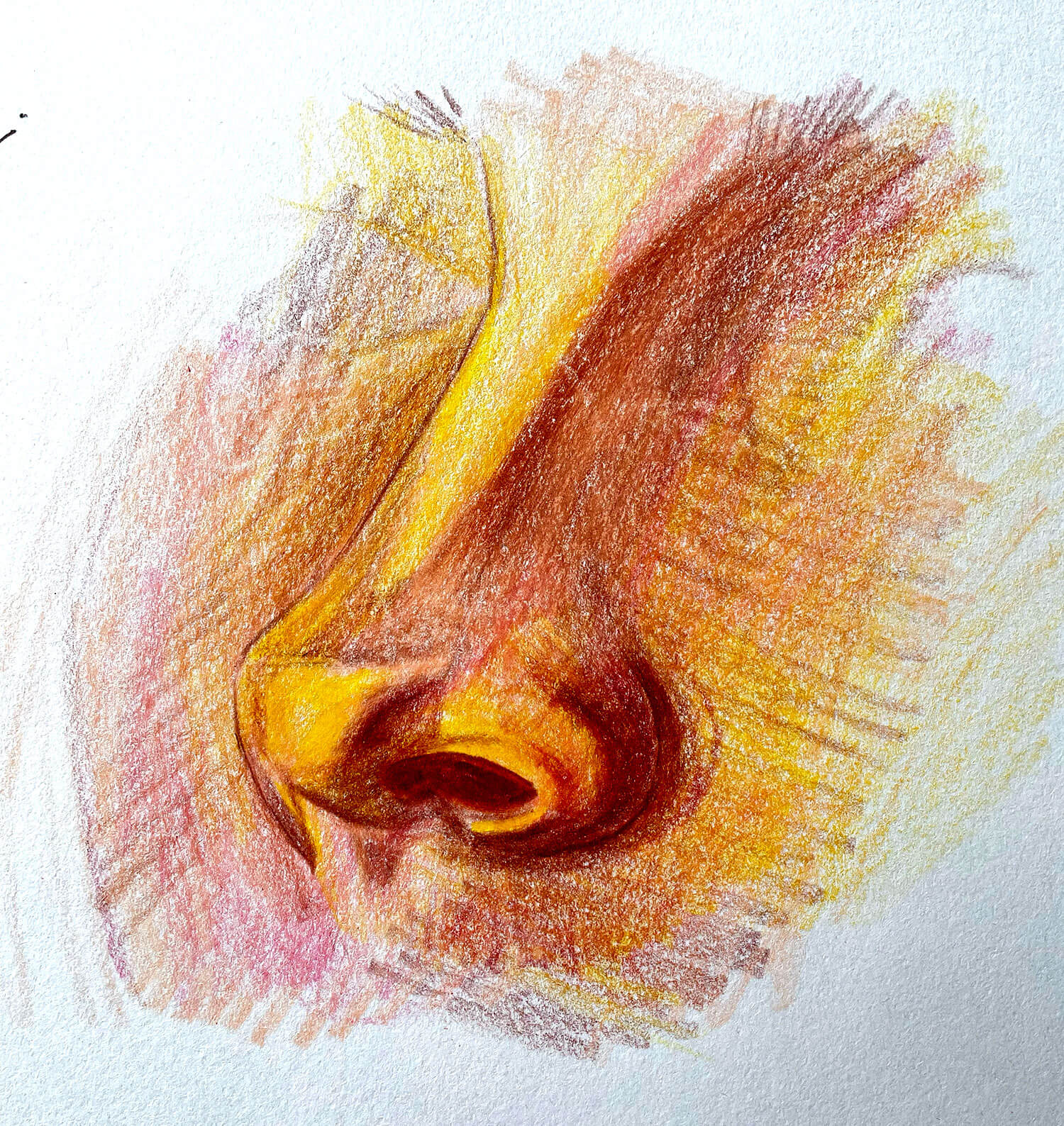
That moment made me realize how far my observational skills had come. After a few weeks, I couldn’t believe the progress I make. The key is consistency.
Just a quick sketch every day. It will strengthen your drawing and boost your confidence.
Develop your drawing habits by sketching 10 to 15 minutes every day. It doesn’t matter what you draw, stick figures, random objects, even doodles.
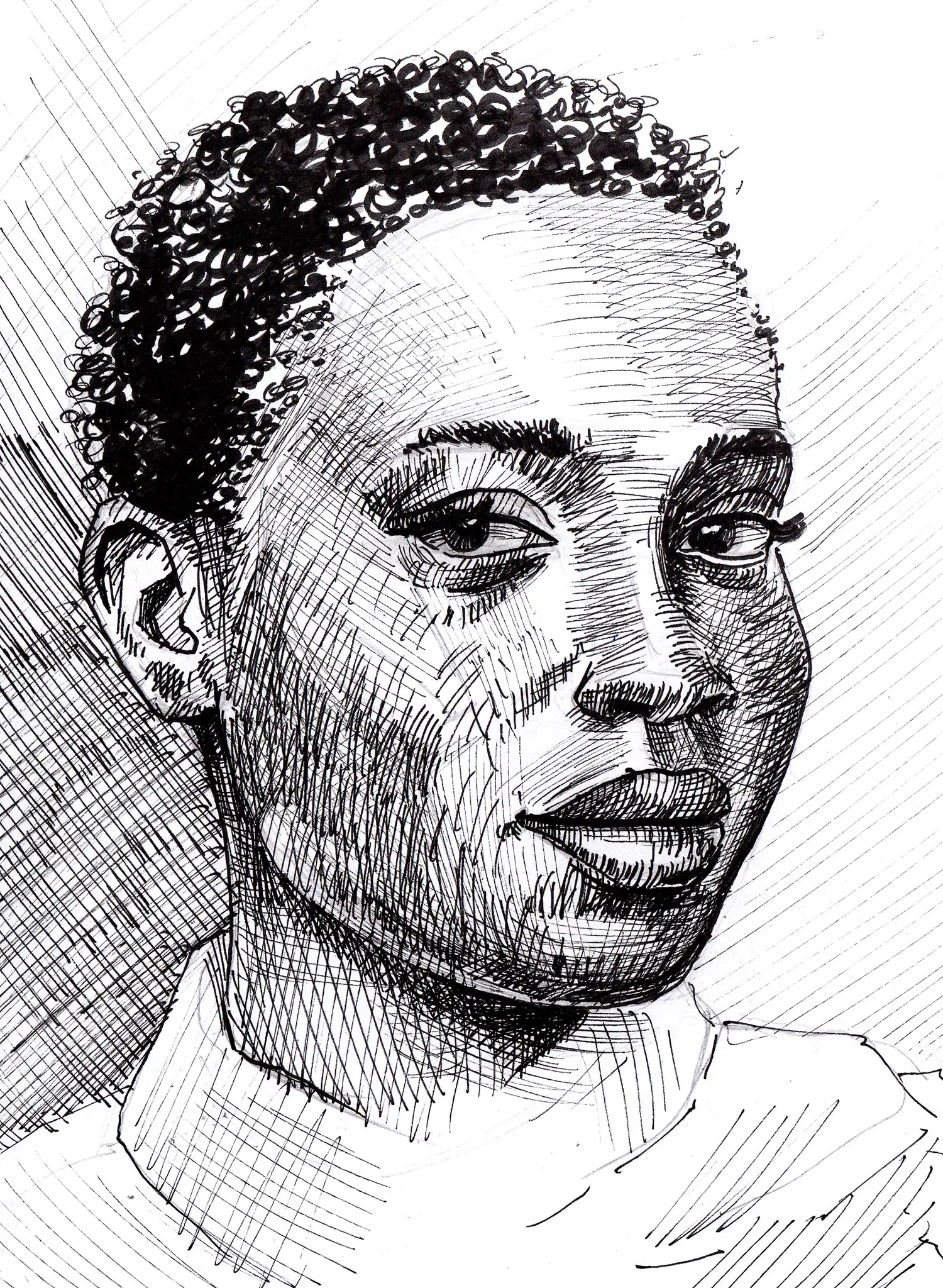
The goal is consistency.
Daily practice builds muscle memory. It boosts your confidence and helps you develop a unique drawing style. The more you draw, the more fluid and confident your lines become.
Doesn’t have to be a huge time commitment just sketching something every day.
That small habit will pay off in the long run. Remember, the key is deliberate practice. Don’t rush through them. Enjoy the process and have things that you want to study and also improve, including your weaknesses.
The more consistent you are, the faster you’ll see improvement.
Easy Drawing Exercises for Beginners: Summary
These easy drawing exercises for beginners are designed to help you build strong observation skills, understand form and perspective. They are also here to develop your own artistic style.
By focusing on simple yet deliberate practices (like sketching from multiple angles, limiting tones, or experimenting with different styles) you train your eye to see depth, proportion, and structure more clearly.
Consistent practice, even in small daily sessions, accelerates improvement and builds confidence in your drawing.
- Draw the same object from multiple angles to understand perspective, depth, and form.
- Use only straight lines to simplify complex shapes and establish a solid structural foundation.
- Limit your composition to two or three tones to focus on contrast, light, and shadow.
- Draw a self-portrait with a mirror to improve observation, proportions, and careful study of the human face.
- Redraw a simple object in different styles and keep a daily sketchbook to experiment, develop your own style, and build consistent practice habits.
Many thanks for listening and visiting my blog today and reading all about easy drawing exercises for beginners. You can follow what I’m up to on my Twitter, Facebook, or Instagram pages, I’ll really appreciate it if you do, and don’t be afraid to say hi to me! Many thanks again, and have a great day!
 2nd December 2025