My sketchbook sat unopened for three weeks last winter.
Not because I’d lost interest. Because the paints were in one drawer, the brushes in another, and the water cup needed washing.
By the time everything was assembled, the urge had passed.
Friction kills more creative habits than lack of talent ever will.
The fix wasn’t discipline. It was a zip pouch the size of my hand, packed once and left in my bag. Now the question shifted from should I paint today to what’s in front of me right now?
A coffee cup. A stranger’s coat. The tree outside this window.
Ten minutes. That’s all it takes when everything is already within reach.
The routine: what ten minutes actually looks like
The word “habit” gets thrown around a lot, but habits need structure.
Here’s the simple framework I use when I’m sketching on the go:
Minute 1: Pick a subject. Don’t deliberate. The mug in front of you. Your hand. A shoe. A street sign through the window. The first thing that catches your eye is usually the right choice.
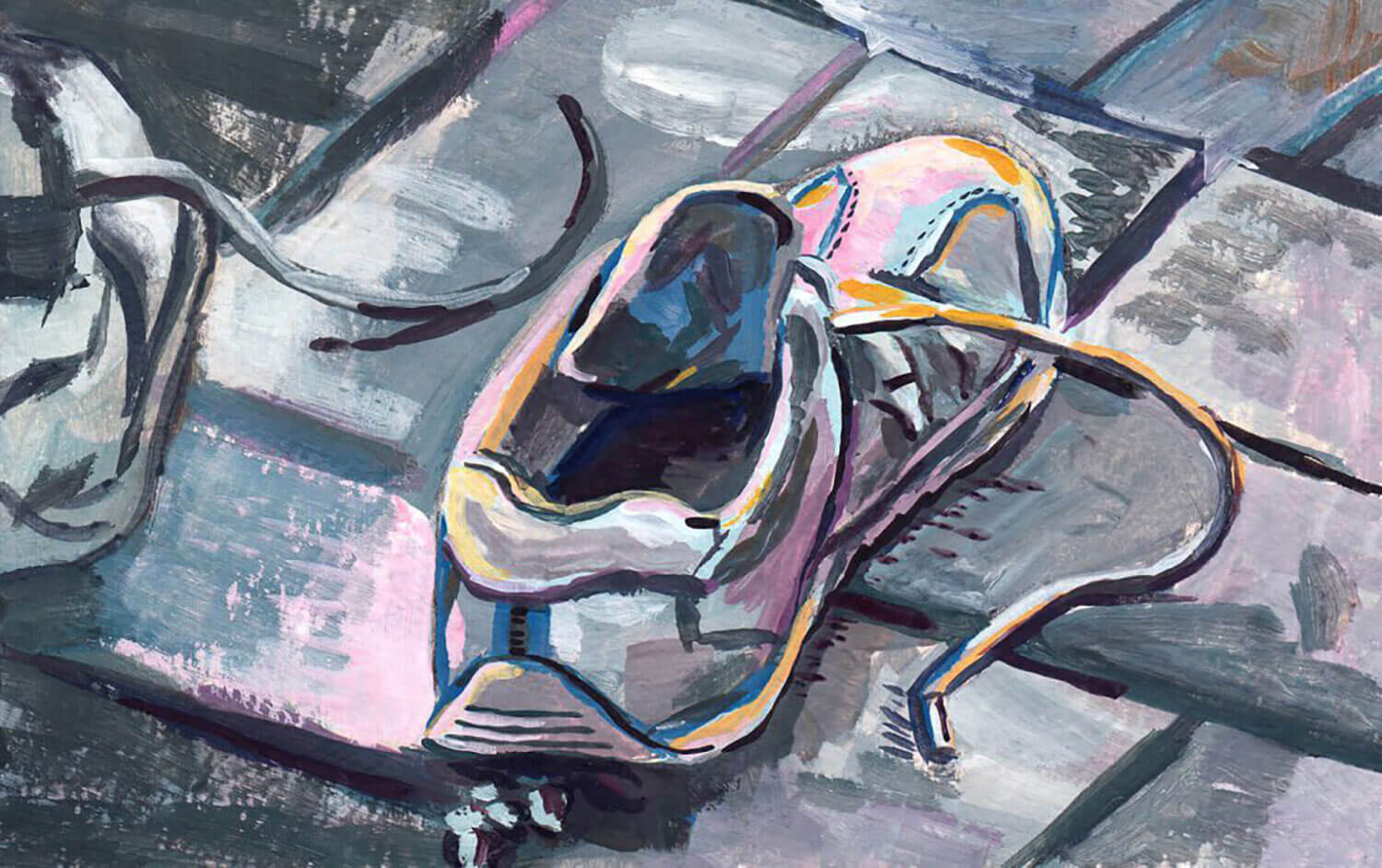
Minutes 2–4: A light pencil map, or nothing at all. I’m not drawing details here, just proportions. Where does this shape sit relative to that one? Sometimes I skip pencil entirely and go straight in with a pale wash. It forces a different kind of looking.
Minutes 5–9: Two or three washes. That’s it. First wash establishes the main shape and value. Second wash adds shadow or depth. Third is optional: an accent, a darker note, a bit of colour variation. The constraint matters. Limiting washes means you can’t overwork it.
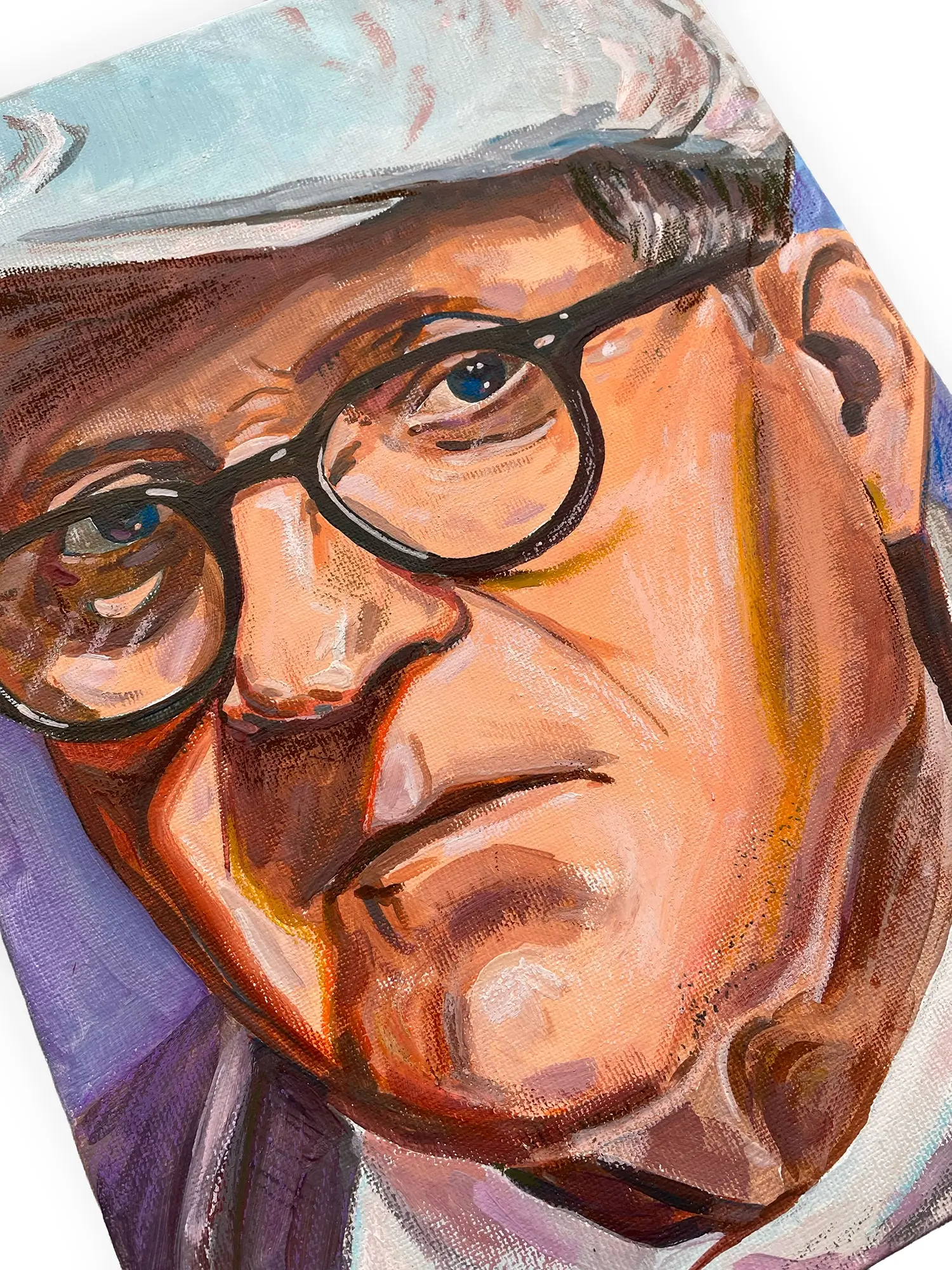
Minute 10: One finishing touch. A crisp shadow edge. A highlight left as white paper. A single dark accent that pulls the whole thing together.
That’s the core. Ten minutes, done.
What I keep packed
For variety, I sometimes run a “three-day loop” on the same subject: Day 1 focuses purely on shapes, Day 2 on values, Day 3 on colour relationships.
It’s a nice way to slow down and actually see something instead of just recording it.

The whole point is eliminating the question do I have what I need? The answer should always be yes.
Here’s what lives in my bag:
A small sketchbook or paper pad. I prefer something around A6 or slightly larger, small enough that a single sketch doesn’t feel precious. Cold-pressed paper handles washes better than hot-pressed, but honestly, I’ve painted on both. Don’t let paper choice become another barrier.
A water brush. I resisted these for years, thinking they were gimmicky. They’re not. The built-in reservoir means I’m not hunting for a water cup in a café. For travel, they’re unbeatable. I keep a traditional travel brush too for when I want more control, but the water brush is my default.
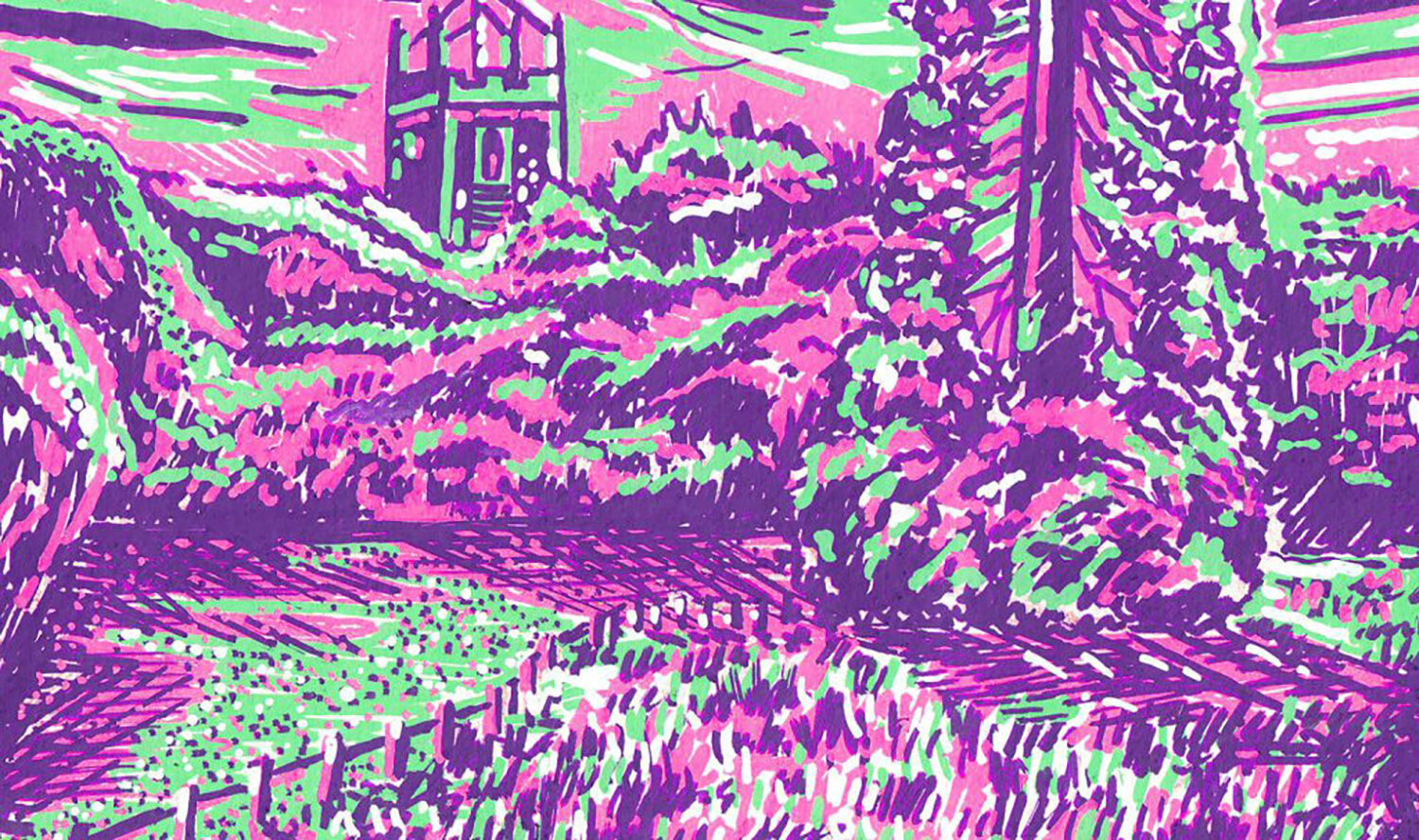
A limited palette. Three to five colours maximum. Right now I’m using yellow ochre, a warm red, ultramarine, and burnt sienna. That’s enough for most subjects. A tight palette forces better colour decisions and keeps the kit small.
The small things. A mechanical pencil. A small rag (an old cotton handkerchief, folded). Sometimes a binder clip to hold pages flat in wind.
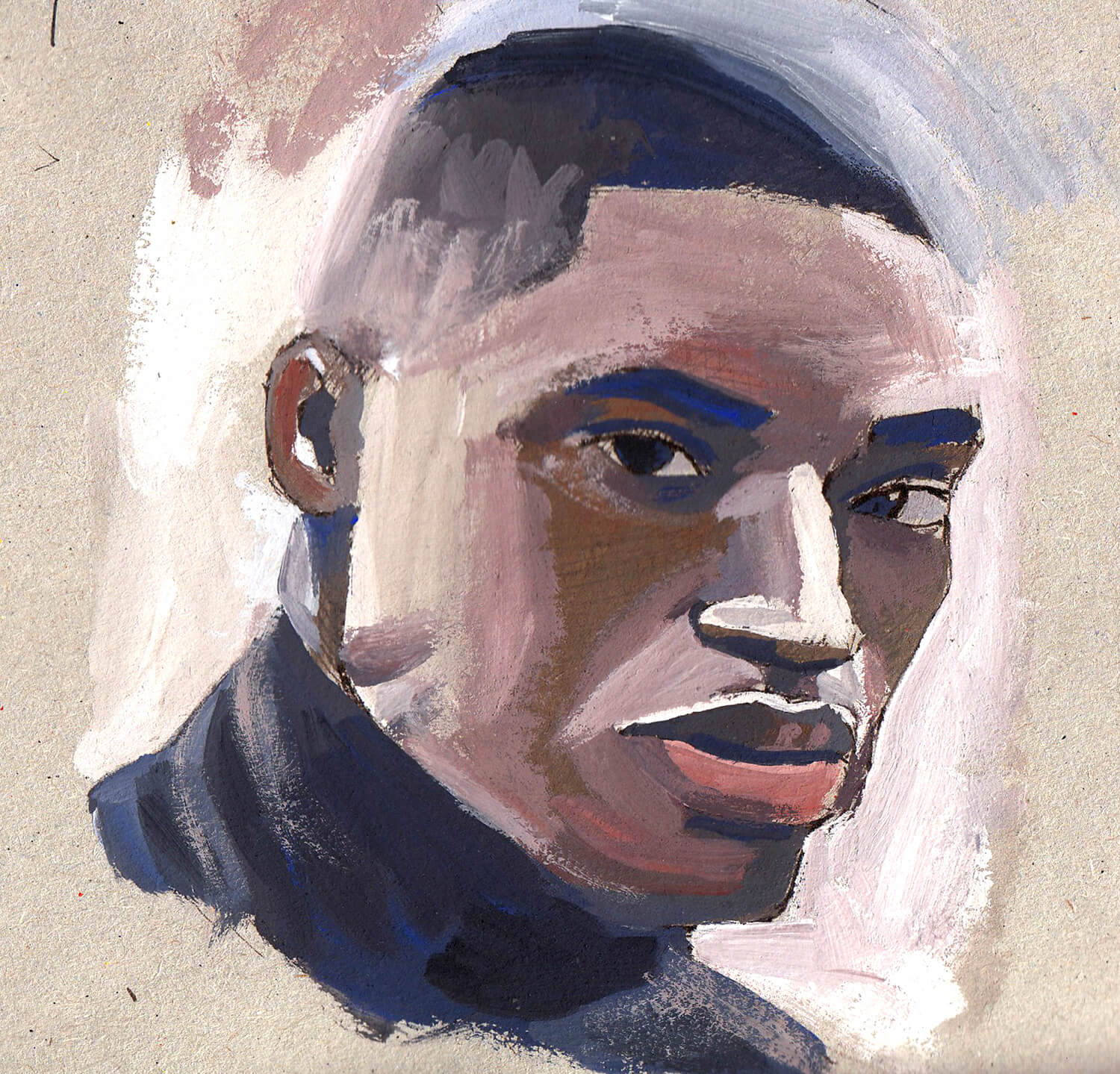
If you prefer a ready-to-go solution, I’ve been happy with these portable watercolour sets for a compact, grab-and-paint setup. Everything in one place, no assembly required.
Three quick studies you can try today
The café object: Find a cup, glass, or bottle on your table. Paint only the shadow first, not the object itself. Let that dry, then add just enough of the object to make sense of the shadow. You’ll be surprised how little you actually need.
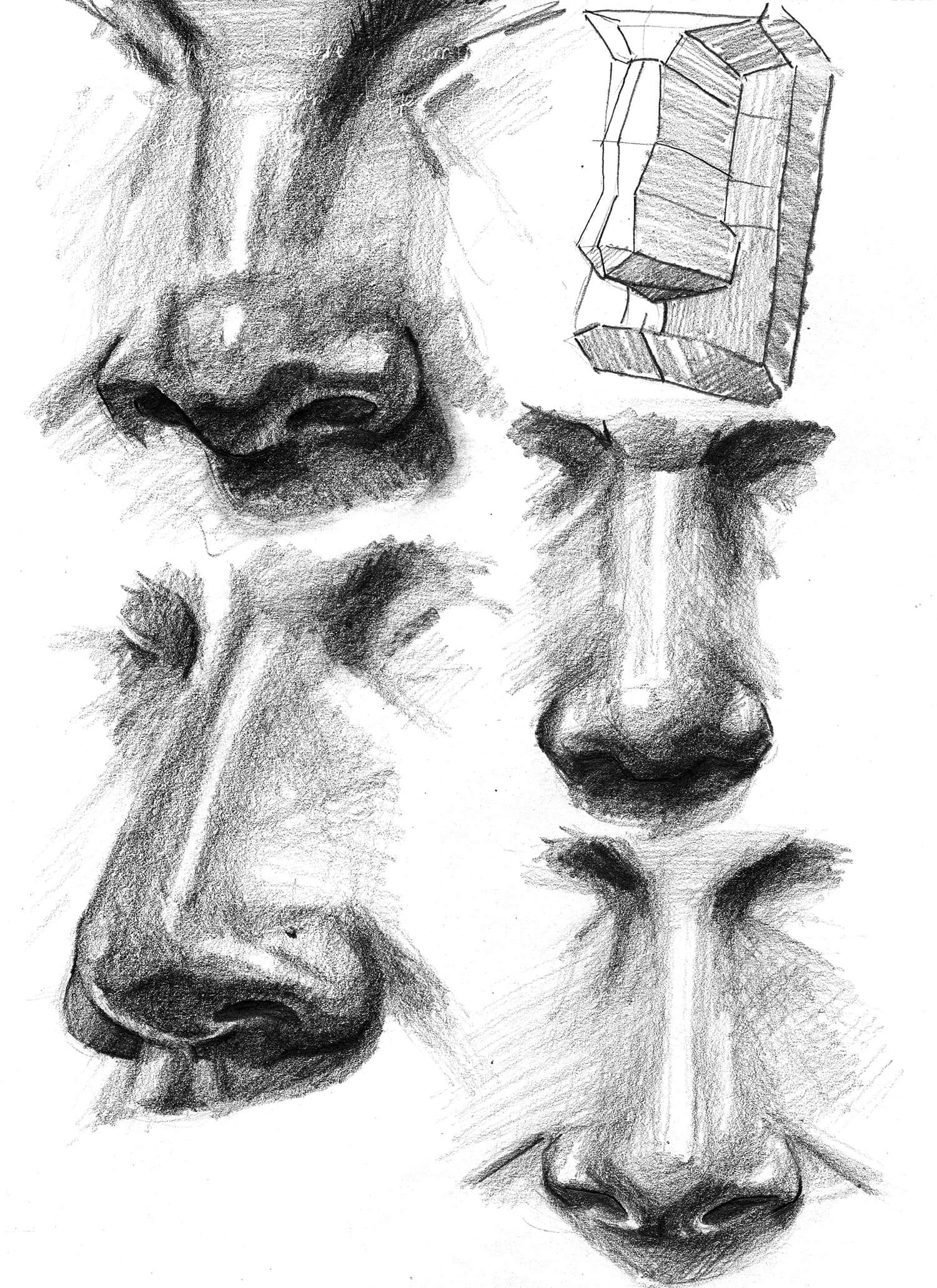
The two-tone portrait: Use one warm tone for skin (yellow ochre works well) and one darker value for hair mass. That’s it. No features, no details.
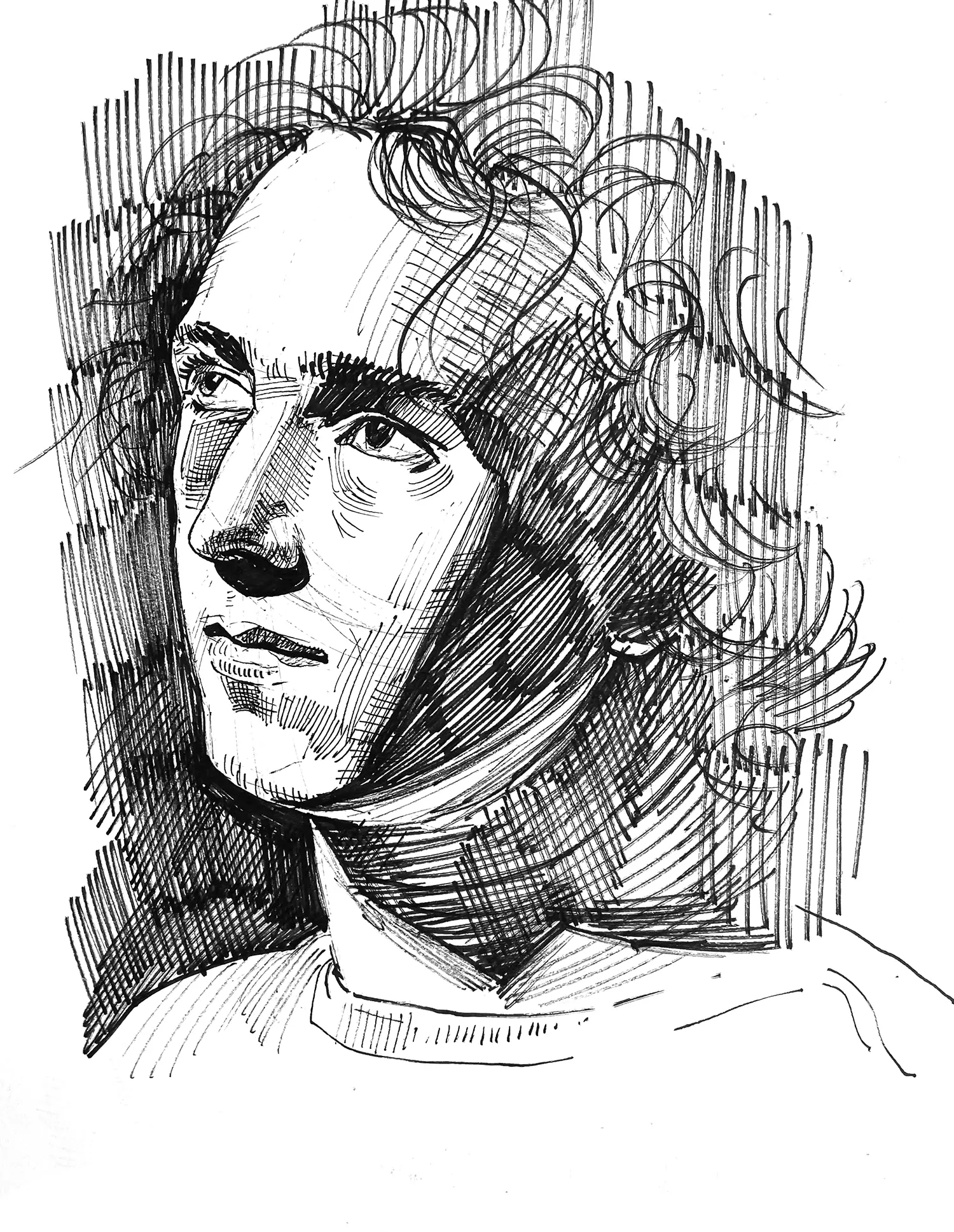

Just shape and value. It’s a useful exercise for seeing the head as form rather than face.
The urban texture: Brickwork, a cluster of leaves, a shop sign.
Pick something with repetition and don’t try to paint every element. Suggest the pattern with a few marks, then stop. Learning when to stop is half the practice.
Where most people get stuck
Overworking washes: The temptation to “fix” a wash while it’s wet is strong. Resist it. Two layers, maybe three. Then walk away.
Too many colours: More pigments usually means muddier results. Stick to five or fewer until mixing becomes instinctive.
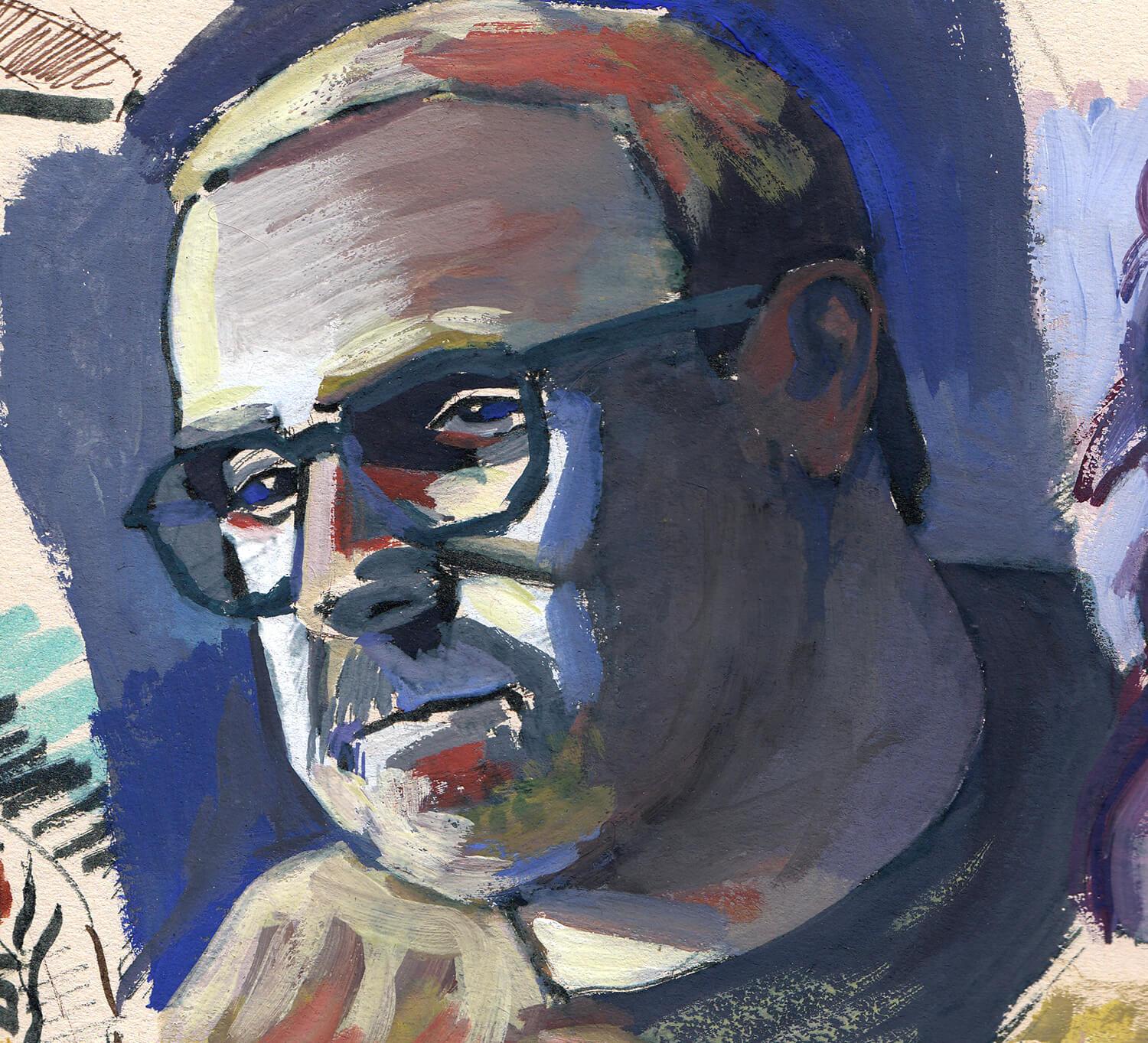
No contrast: A sketch without a single dark accent often looks flat. Even a tiny hit of concentrated pigment, a shadow under a rim, the pupil of an eye, creates the contrast that makes everything else read.
Skipping days, then quitting: Miss a day? Fine. Miss three? Also fine. The goal isn’t a perfect streak. It’s a sustainable rhythm. Five minutes counts. A single wash counts. Lower the bar until showing up feels easy.
Over to you
The question I ask myself now isn’t when will I have time to paint?
It’s where would I paint if the kit was already in my bag?
A train platform. A waiting room. The bench outside a store. Ten minutes exists in more places than we think.
If you’ve been circling the idea of a daily practice but haven’t started, try this: pack a kit and see how easy it is to start painting and creating art.
Commit to seven days, ten minutes each, no pressure on quality. See what happens.
And if you do try it, I’d genuinely like to know: where would you paint if you had a kit in your bag today?
Drop a comment below or tag me on social. I’m curious what subjects people find in the margins of their day. If you enjoyed this article, take a look at this other one on how to draw an ear on my YouTube channel, or take a look at these Breaking Bad portraits on my portfolio!
Many thanks for listening and visiting my blog today. You can follow what I’m up to on my Twitter, Facebook, or Instagram pages, I’ll really appreciate it if you do, and don’t be afraid to say hi to me! Many thanks again, and have a great day!

 18th February 2026